 Budget
3 days · Kenya
3 Days Maasai Mara Safari — Budget
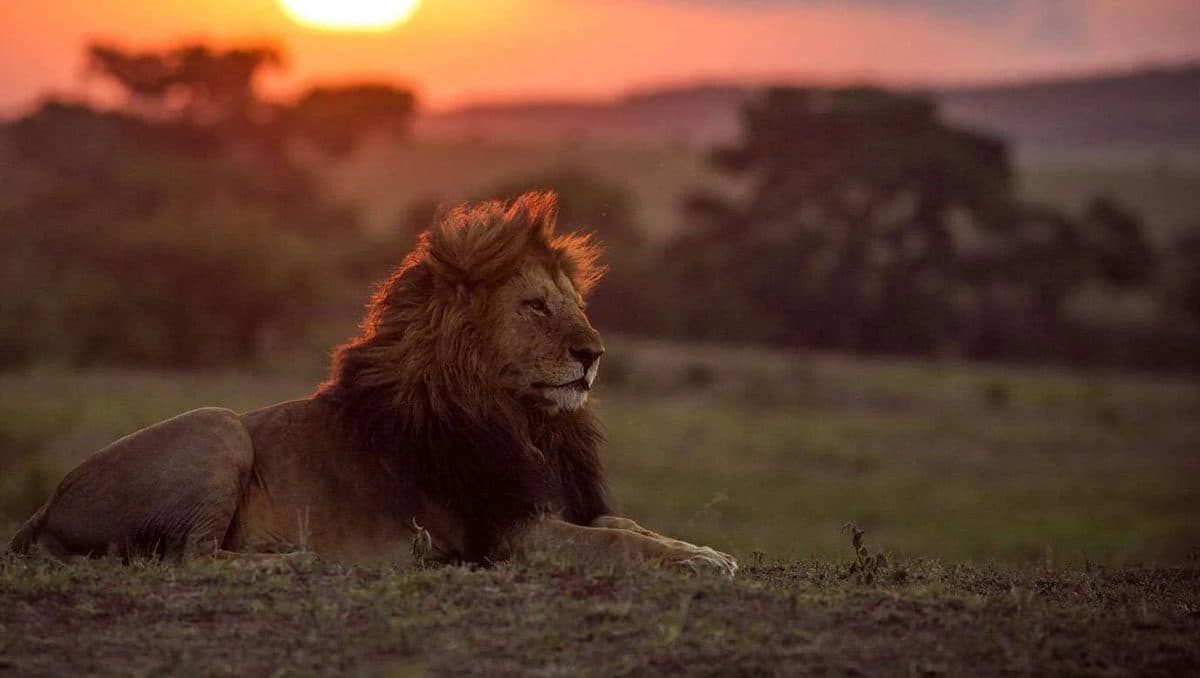
This 3-day route links Maasai Mara, using value accommodation so that more of the budget goes into game viewing. 2 nights on safari, priced on request.
Price on request
View safari
Kenya
Big cats, open plains and the northern stage of the Great Migration
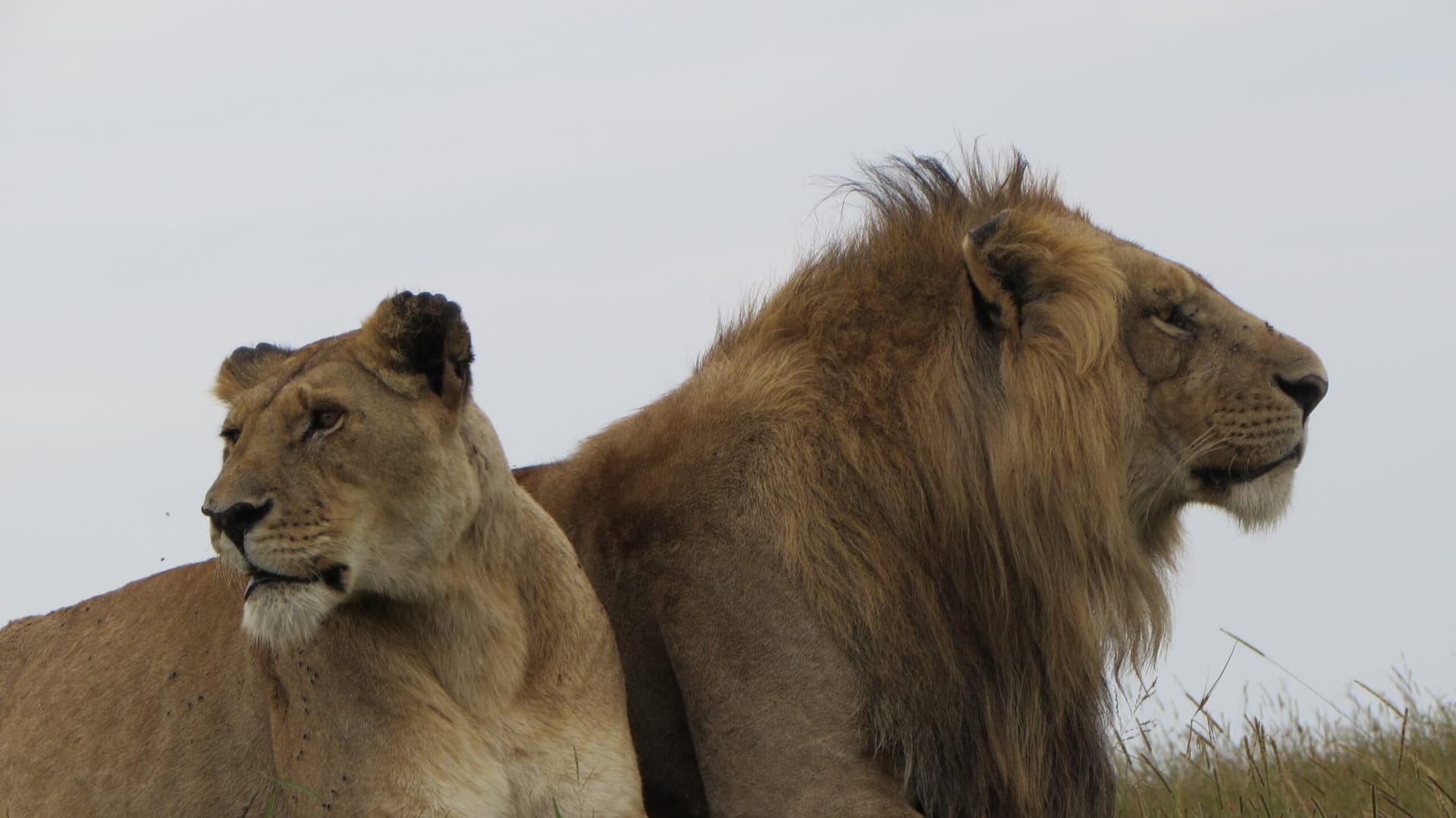
The Maasai Mara is the northern continuation of the Serengeti ecosystem, and it behaves like it: rolling grassland broken by riverine forest along the Mara and Talek rivers, with escarpments rising to the west. It is comparatively small for the amount of wildlife it holds, which is why sightings come quickly and why it has such a strong reputation for predators. Lion prides here are large and habituated to vehicles, cheetah hunt on the open plains where they can use their speed, and the fig and croton thickets along the rivers are among the more reliable places in Africa to find leopard. From roughly July to October the wildebeest and zebra herds of the Great Migration move up from Tanzania, and the river crossings that follow are the single most photographed wildlife event on the continent.
Resident wildlife is present year-round and does not depend on the migration. Lion are the headline species and several prides are well known to guides. Leopard favour the riverine forest, cheetah the open plains. Elephant, buffalo, topi, Maasai giraffe, eland, impala and Thomson's gazelle are all common, and hippo and large Nile crocodile hold the deeper river pools. Black rhino are present but scarce and sightings should not be expected.
July to October is migration season and the busiest time of year, with the highest chance of river crossings and the highest rates. The short dry spell from late December to February is excellent: grass is short, predators are easy to see, and there are far fewer vehicles. April, May and November are green, quiet and inexpensive, with a real chance of rain and some tracks becoming difficult.
July–October for the migration; late December–February for big cats with fewer vehicles.
Two nights is the practical minimum and gives you two full game-viewing sessions plus a morning. Three nights is markedly better, particularly in migration season when finding a crossing takes patience. Four nights suits photographers and anyone combining the reserve with a conservancy.
The Mara pairs naturally with Lake Nakuru for rhino and flamingo, and with Lake Naivasha for a boat trip and a change of pace. Longer Kenyan routes add Amboseli for elephants and Kilimanjaro views, or run north to Samburu and Ol Pejeta. Cross-border itineraries continue into the Serengeti, which is the same ecosystem.
Go there
33 routes in the Citrus catalogue include Maasai Mara.
Budget3 days · Kenya
This 3-day route links Maasai Mara, using value accommodation so that more of the budget goes into game viewing. 2 nights on safari, priced on request.
Price on request
View safari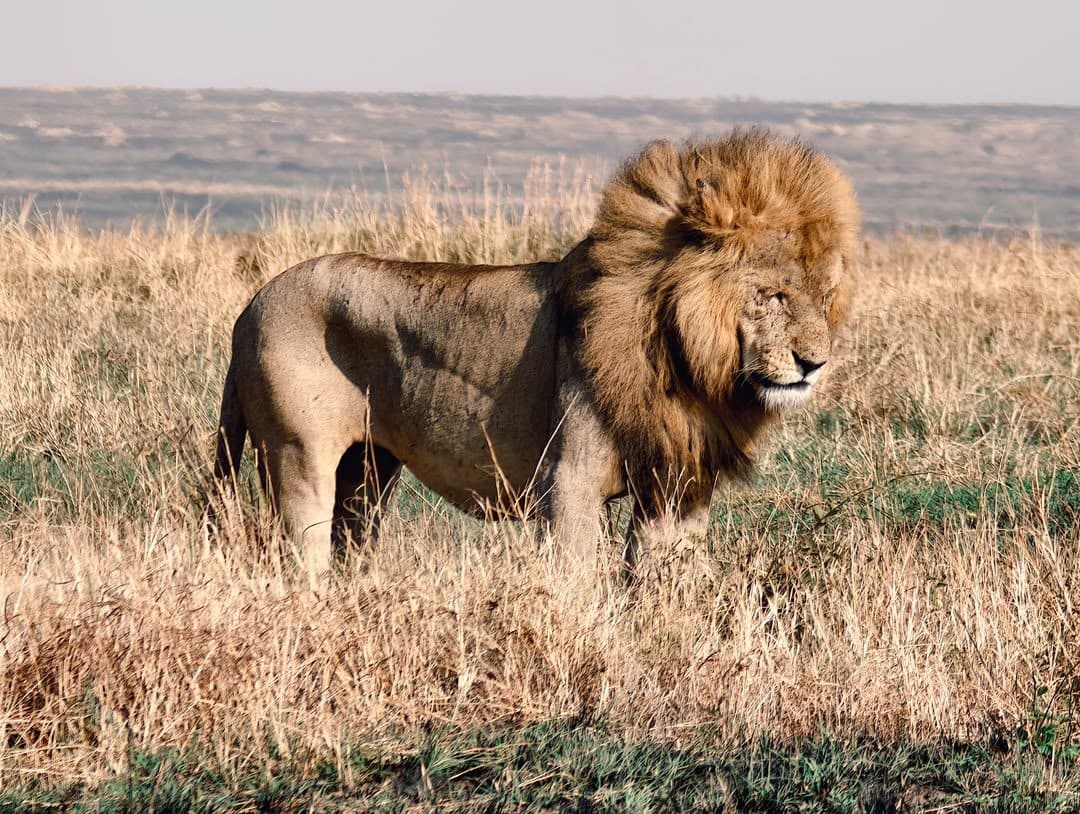 Mid-rangeTop 10 pick
3 days · Kenya
3 days across Maasai Mara, with proper beds, good food and lodges that sit where the wildlife is. 2 nights on safari, priced on request.
Price on request
View safari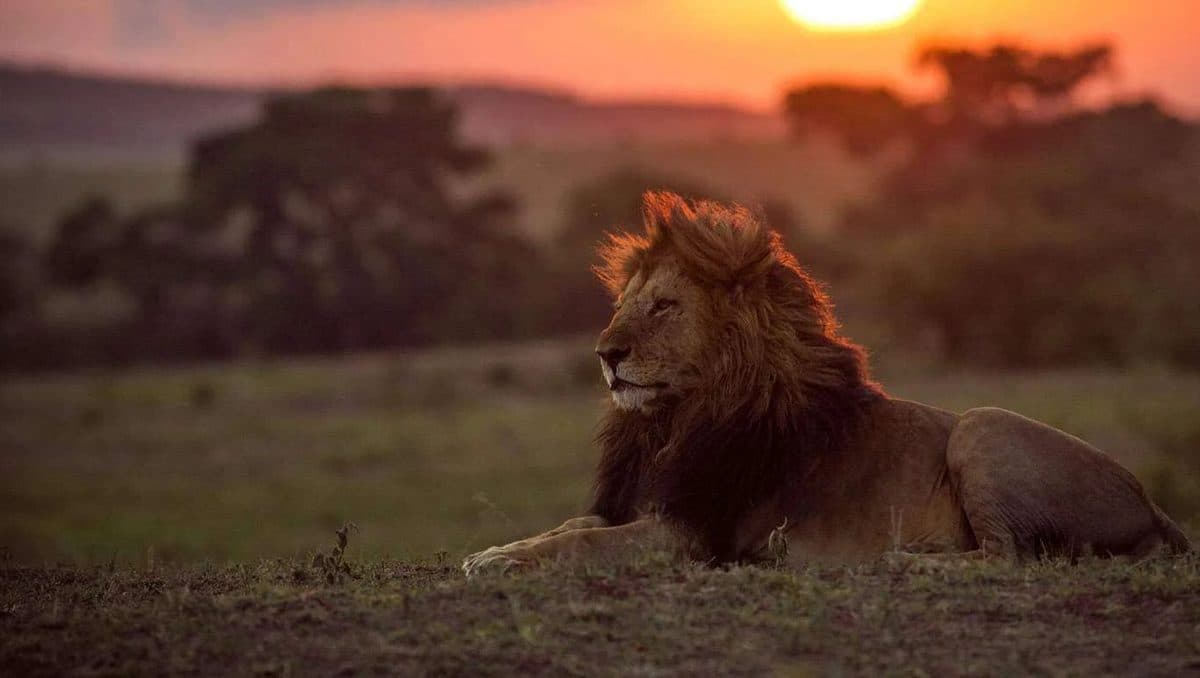 Luxury
3 days · Kenya
A 3-day circuit taking in Maasai Mara, staying at premium camps and lodges where the setting is part of the point. 2 nights on safari, priced on request.
Price on request
View safari Budget
4 days · Kenya
Built around Lake Nakuru and Maasai Mara, this 4-day safari using value accommodation so that more of the budget goes into game viewing. 3 nights on safari, priced on request.
Price on request
View safari Mid-range
4 days · Kenya
Over 4 days this safari works through Lake Nakuru and Maasai Mara, with proper beds, good food and lodges that sit where the wildlife is. 3 nights on safari, priced on request.
Price on request
View safari Luxury
4 days · Kenya
Lake Nakuru and Maasai Mara in 4 days, staying at premium camps and lodges where the setting is part of the point. 3 nights on safari, priced on request.
Price on request
View safariPlanning questions
The herds are usually in the Mara between July and October, with August and September the most reliable months for river crossings. The timing follows rainfall and shifts from year to year, so no operator can promise a crossing on a given date.
Yes. The resident lion, leopard, cheetah, elephant and buffalo are there all year, and the quieter months from December to February often give better big-cat viewing simply because there are fewer vehicles at each sighting.
Two nights is the minimum that justifies the drive from Nairobi. Three nights is the usual recommendation, and is a noticeably better plan if seeing a river crossing matters to you.
Read more
Seasonal guide
The migration is a continuous circuit, not a date in the calendar. Here is where the herds usually are, month by month, and what that means for where you should sleep.
ReadPlanning guide
They share an ecosystem and a border, and the wildlife is largely the same. The differences that actually matter are cost, distance, crowding and what you want a day to feel like.
ReadFirst safari
Three days is enough to justify the flights if you commit to one reserve. Most of the disappointment we hear about comes from trying to fit six places into five days.
ReadSeasonal guide
Kenya works year-round. The choice is really between dry-season concentration and crowds, or green-season value and a chance of rain.
ReadFirst safari
The decisions that actually matter, in the order they matter, from someone who books these for a living.
Read