Tanzania
Tanzania
The Serengeti, the Crater, and the greatest herds on earth
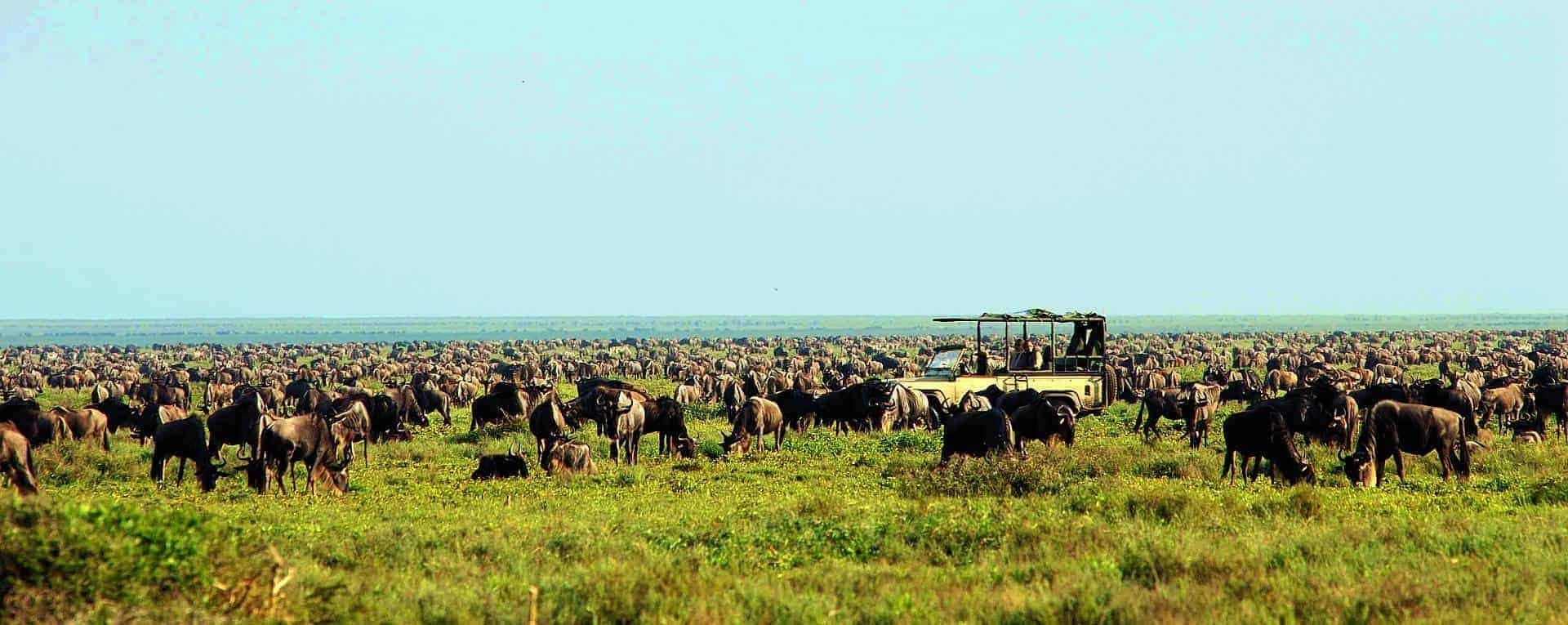
Tanzania holds the largest and most famous protected areas in East Africa. The northern circuit — Tarangire, Lake Manyara, the Ngorongoro Crater and the Serengeti — sits within a few hours' drive of Arusha and strings together four genuinely different ecosystems: baobab country thick with elephant, a forested lake shore beneath the Rift escarpment, a collapsed volcanic caldera holding a permanent concentration of wildlife, and the endless short-grass plains that give the Serengeti its Maasai name, siringet, the place where the land runs on forever. The Great Migration spends most of the year inside Tanzania, calving on the southern Serengeti plains around Ndutu in February and moving north through the year. Add Zanzibar, ninety minutes away by air, and Tanzania covers both halves of the classic safari-and-beach trip.
Why visit Tanzania
- The Serengeti supports the largest terrestrial mammal migration on earth, and the herds are inside Tanzania for most of the year.
- The Ngorongoro Crater holds an unusually dense, permanent wildlife population in a self-contained caldera 600 m deep.
- Four distinct ecosystems on the northern circuit within comfortable driving distance of one another.
- Zanzibar offers a genuine beach and culture extension a short flight from the safari circuit.
Wildlife
All of the Big Five occur, though black rhino are confined largely to the Ngorongoro Crater and parts of the Serengeti and sightings are not dependable. The Serengeti carries very large lion populations, good cheetah numbers on the plains and leopard along the kopjes and river courses. Tarangire holds the highest elephant concentrations on the circuit in the dry season, and Lake Manyara is known for tree-climbing lion and large baboon troops.
- Around two million wildebeest, zebra and gazelle on migration
- Very large lion populations across the Serengeti
- Black rhino in the Ngorongoro Crater
- Dry-season elephant concentrations in Tarangire
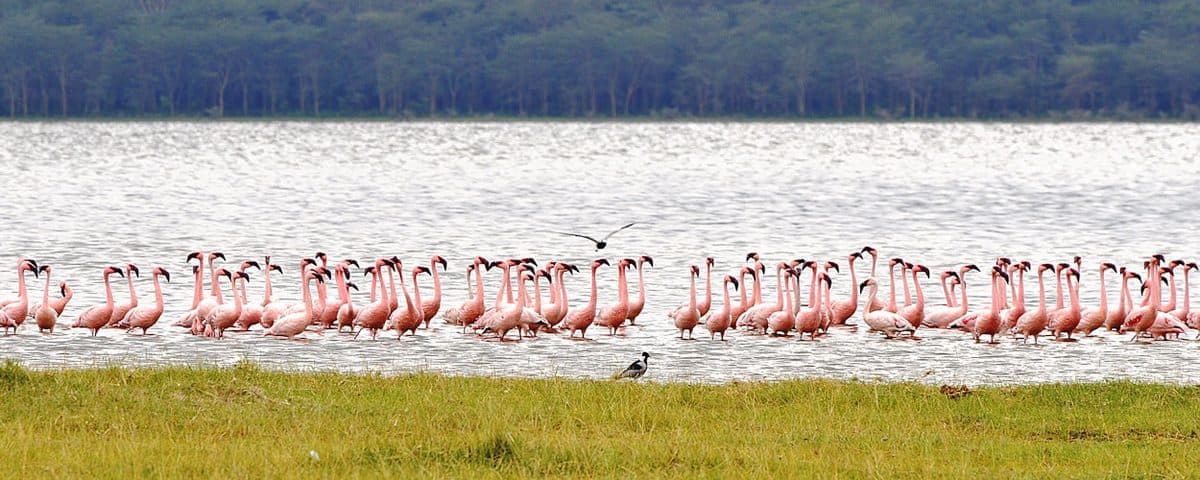
- Tree-climbing lion and flamingo at Lake Manyara
Best time to visit
June to October is the main dry season, with excellent general game viewing and the herds in the northern Serengeti from roughly July. Late January to March is calving season on the southern plains around Ndutu, when several hundred thousand wildebeest calves are born within a few weeks and predator activity is intense. April and May are the long rains — green, quiet and much cheaper, with some camps closed.
June–October for dry-season game and river crossings; late January–March for calving.
Things to do
- Game drives
- The core activity across all four northern circuit parks, in extended 4x4 vehicles with roof hatches.
- Balloon safaris
- Dawn flights over the Serengeti, always booked and paid for as a separate optional extra.
- Ngorongoro Crater descent
- A half-day descent onto the crater floor, governed by strict time limits.
- Cultural visits
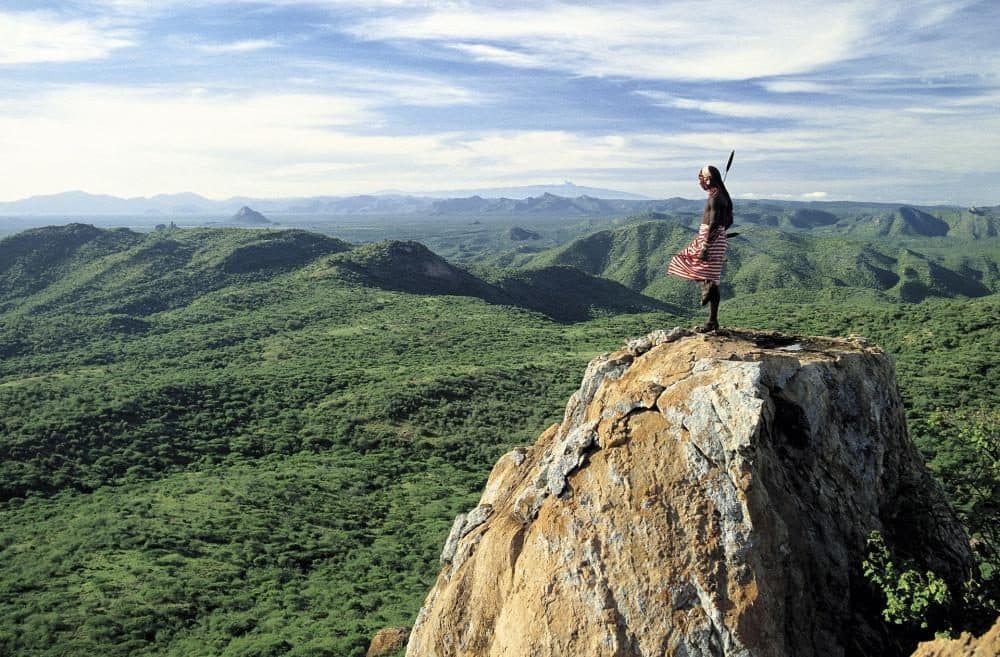
- Maasai and Datoga community visits where communities welcome them, arranged separately.
- Zanzibar beach and Stone Town
- A short flight from Arusha for a coastal extension.
How long to stay
Four days covers the Serengeti and Ngorongoro at a brisk pace. Six to seven days makes a proper northern circuit including Tarangire and Lake Manyara. Ten days allows the same circuit followed by three or four nights on Zanzibar.
What it combines with
Tanzania pairs with Kenya on the cross-border routes that form the longest itineraries in the catalogue, and with Zanzibar for safari-and-beach travel.
Inside Tanzania
Parks and places
Serengeti
Endless plains and the engine of the Great Migration
Ngorongoro
A collapsed volcano holding its own complete ecosystem
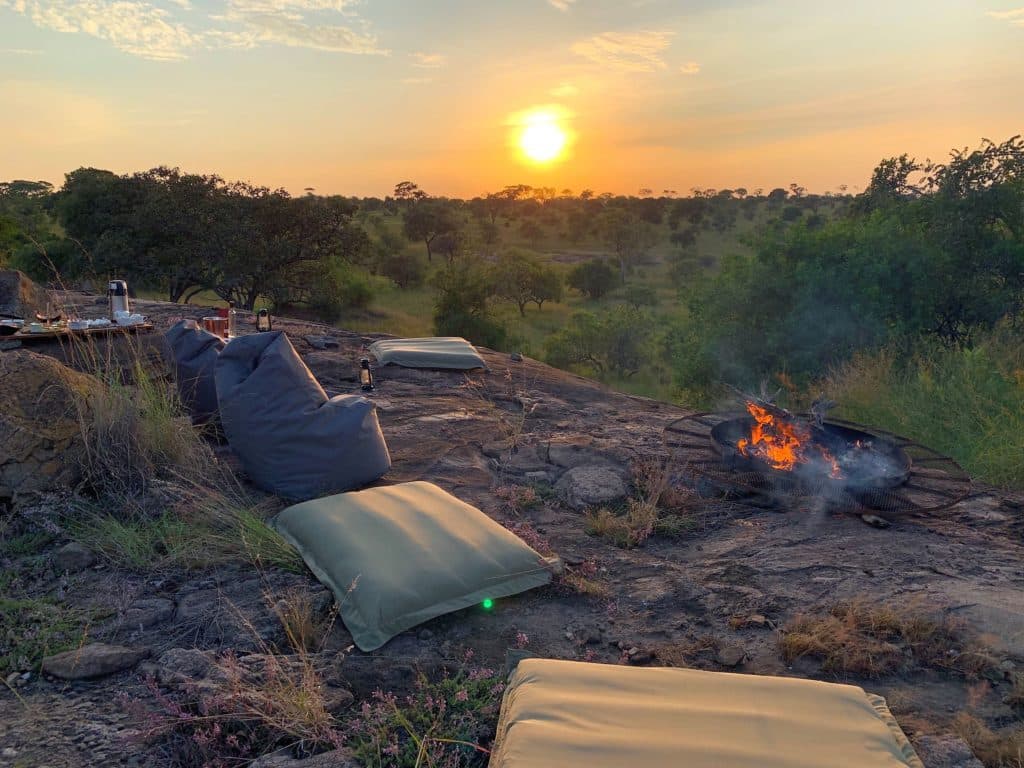
Tarangire
Baobabs, a life-giving river and the circuit's greatest elephant numbers
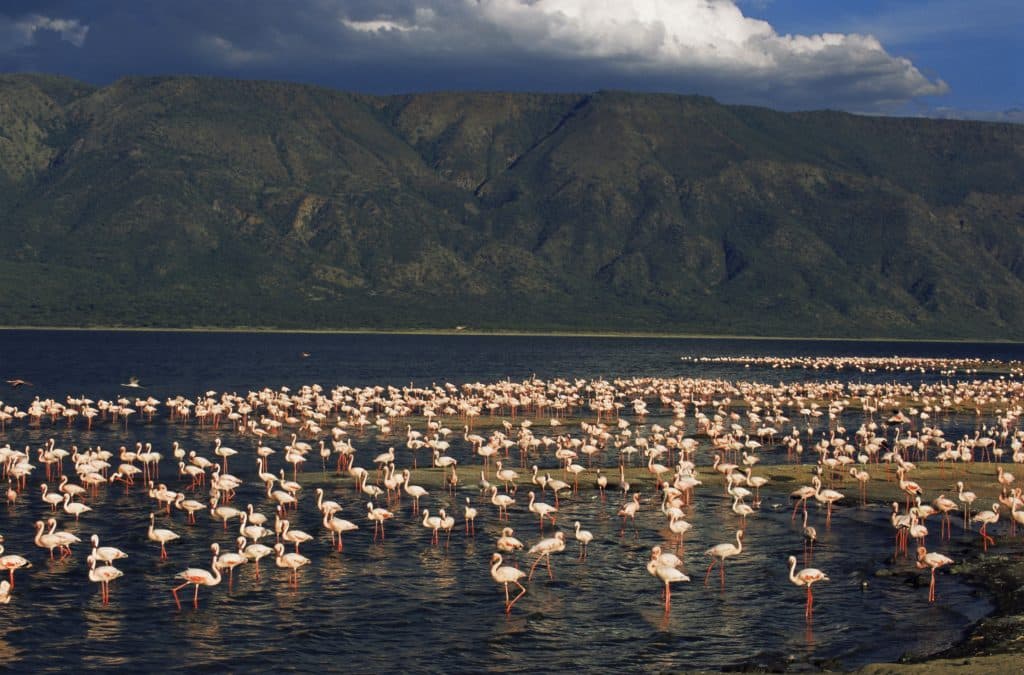
Lake Manyara
Groundwater forest beneath the Rift escarpment
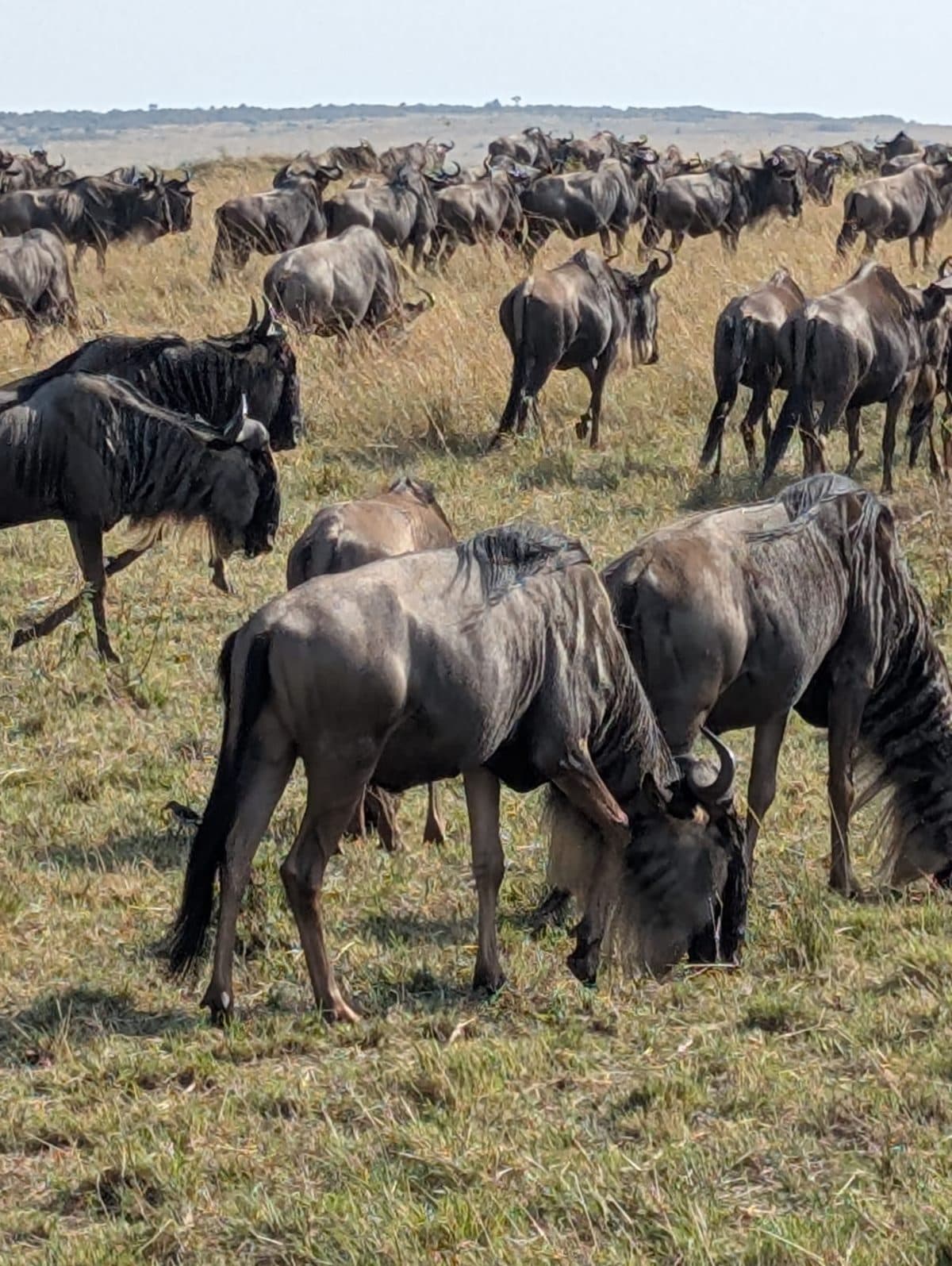
Ndutu
Calving season, short grass and concentrated predator action
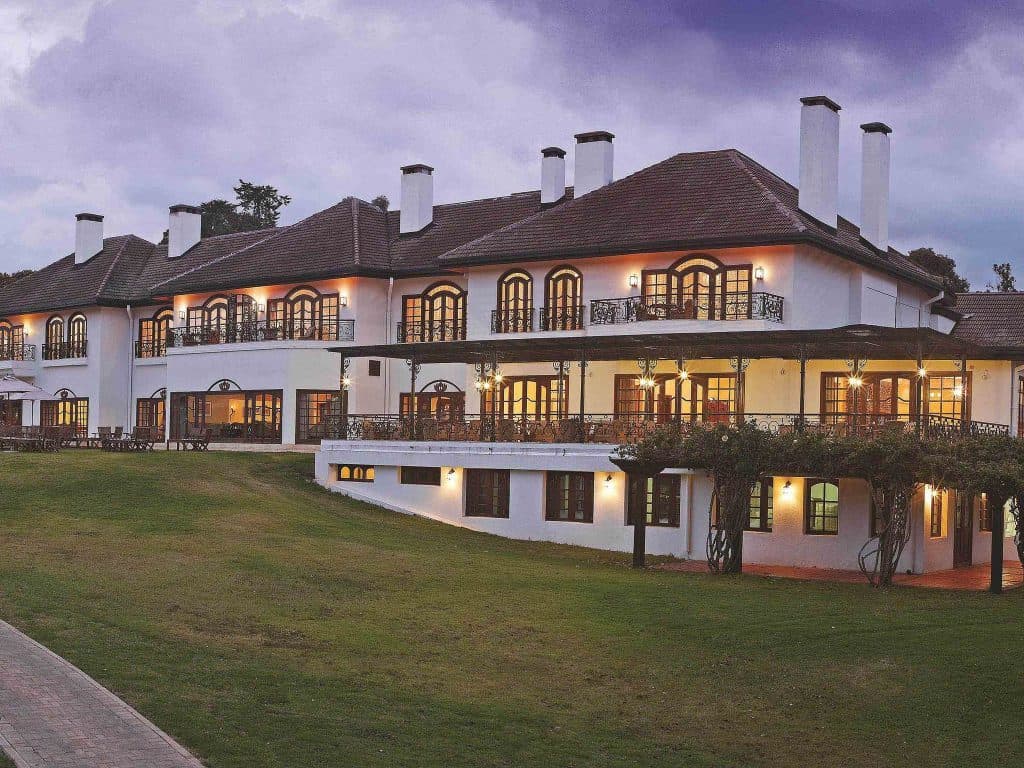
Arusha
The northern circuit's starting line, beneath Mount Meru

Zanzibar
Indian Ocean reef, spice history and the right way to end a safari
Planning questions
Common questions about Tanzania
Kenya or Tanzania — which should I choose?
Tanzania has the larger parks, the longer migration season and the Ngorongoro Crater; Kenya has shorter distances, lower park fees and outstanding big-cat viewing in the Mara. For a first safari on a tighter budget Kenya is usually easier; for sheer scale Tanzania wins.
How many days do I need in Tanzania?
Four days is the realistic minimum for Serengeti and Ngorongoro. Seven days lets you do the full northern circuit properly, and ten allows the circuit plus a Zanzibar beach extension.
Read more
Guides that cover this destination
Planning guide
Kenya or Tanzania: how to choose
They share an ecosystem and a border, and the wildlife is largely the same. The differences that actually matter are cost, distance, crowding and what you want a day to feel like.
ReadSeasonal guide
Best time to visit Tanzania
In Tanzania the month determines where in the Serengeti you should sleep, which matters more than almost any other decision you will make.
ReadFirst safari
Planning your first safari
The decisions that actually matter, in the order they matter, from someone who books these for a living.
ReadPlanning guide
Safari and Zanzibar: how to combine them
Safari first, beach second, three or four nights minimum — and a word about the tides.
Read