The Ngorongoro Crater is the largest intact volcanic caldera in the world — roughly twenty kilometres across, with walls six hundred metres high enclosing a floor of grassland, soda lake, acacia forest and swamp. The collapse of the original volcano created something close to a natural enclosure, and the result is one of the densest permanent concentrations of wildlife in Africa. Around 25,000 large animals live on the floor, and because most of them have no reason to leave, the crater does not depend on migration or season. It is also the most reliable place in East Africa to see black rhino, and it holds some of the last big-tusked bull elephants in Tanzania. The first sight of it from the rim, with cloud pouring over the lip and the floor spread out below, is genuinely arresting.
Why visit Ngorongoro
- The highest permanent density of large mammals anywhere in Africa, all within a contained caldera.
- The most dependable place in East Africa to see black rhino, though sightings are often at distance.
- Big-tusked bull elephants in the Lerai fever tree forest.
- The rim view itself, which is one of the defining landscapes of East Africa.
Wildlife
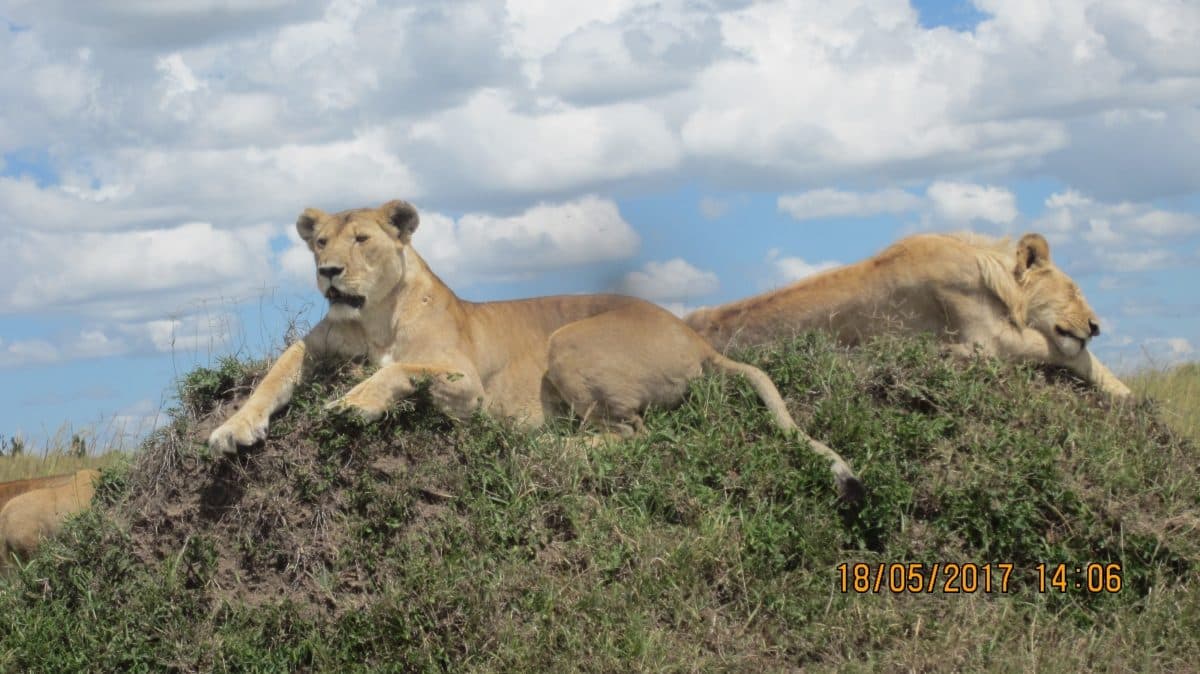
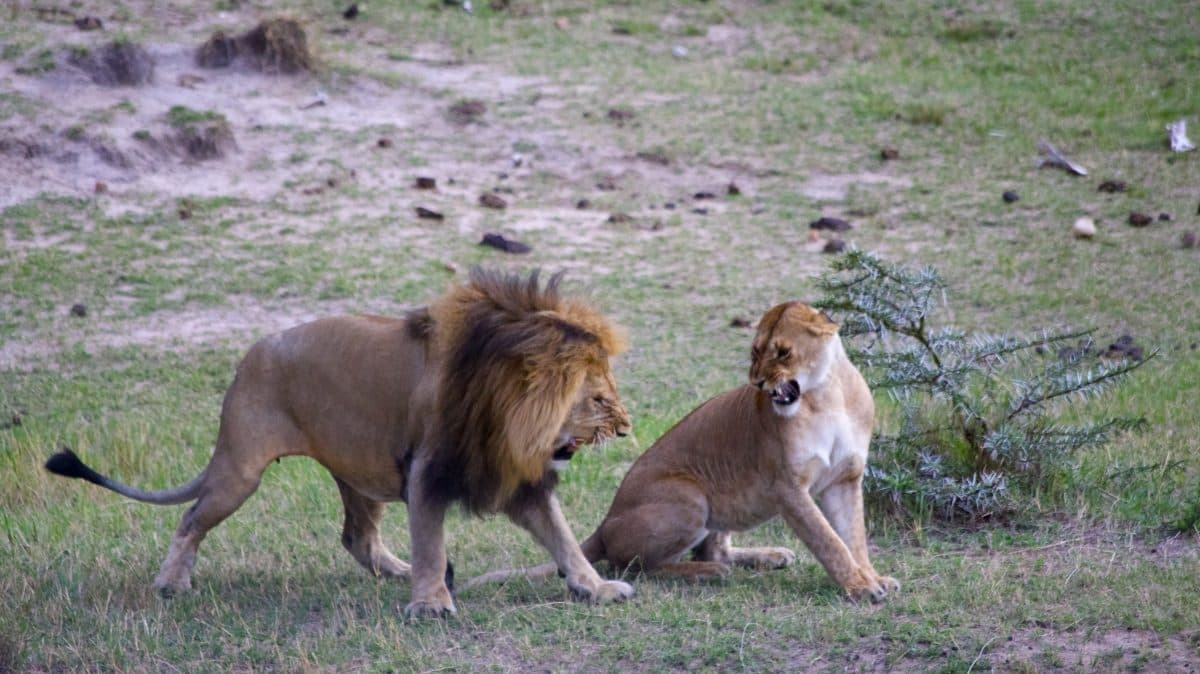
Lion, spotted hyena, black rhino, elephant, buffalo, wildebeest, zebra, eland and Grant's and Thomson's gazelle in permanent residence. Flamingo gather on the soda waters of Lake Magadi on the crater floor. Leopard are present in the rim forest but seldom seen on the floor, and there are no giraffe — the crater walls are too steep for them.
- Black rhino on the open crater floor
- Large lion prides and very high hyena numbers
- Big-tusked bull elephants in the Lerai forest
- Flamingo on Lake Magadi
- Golden jackal, serval and a strong raptor list
Best time to visit
Excellent all year because the wildlife is resident rather than migratory. June to October is driest. The crater floor can be busy with vehicles in peak season, and an early descent makes a real difference to the experience.
Year-round; June–October is driest, and early descents are always better.
Things to do
- Crater floor game drive
- A descent onto the floor, governed by a strict permit and time limit — usually around six hours.
- Rim viewpoints
- Stops along the rim for the view down into the caldera, often above the cloud.
- Olduvai Gorge
- The nearby palaeoanthropological site, normally visited en route to the Serengeti.
- Maasai community visits
- The conservation area is shared with Maasai pastoralists; visits are arranged separately.
How long to stay
One night on the rim with a single crater descent is the standard and works well. Two nights allows a second descent or time at Olduvai Gorge and the Maasai communities on the conservation area.
What it combines with
The crater sits on the road between Lake Manyara and the Serengeti and appears on essentially every northern circuit itinerary.

 Budget