Seasonal guide · 6 min read
Best time to visit Kenya
Kenya works year-round. The choice is really between dry-season concentration and crowds, or green-season value and a chance of rain.
By the Citrus Tour Safaris team
July to October: the long dry season
The busiest and most expensive period, and for good reason. Water is scarce so wildlife concentrates around what is left, the grass is short and visibility is excellent, and the migration herds are in the Maasai Mara for most of this window.
Expect higher rates, fuller camps and more vehicles at popular sightings. Book well ahead, and consider the Mara conservancies if crowding matters to you.
January and February: the short dry season
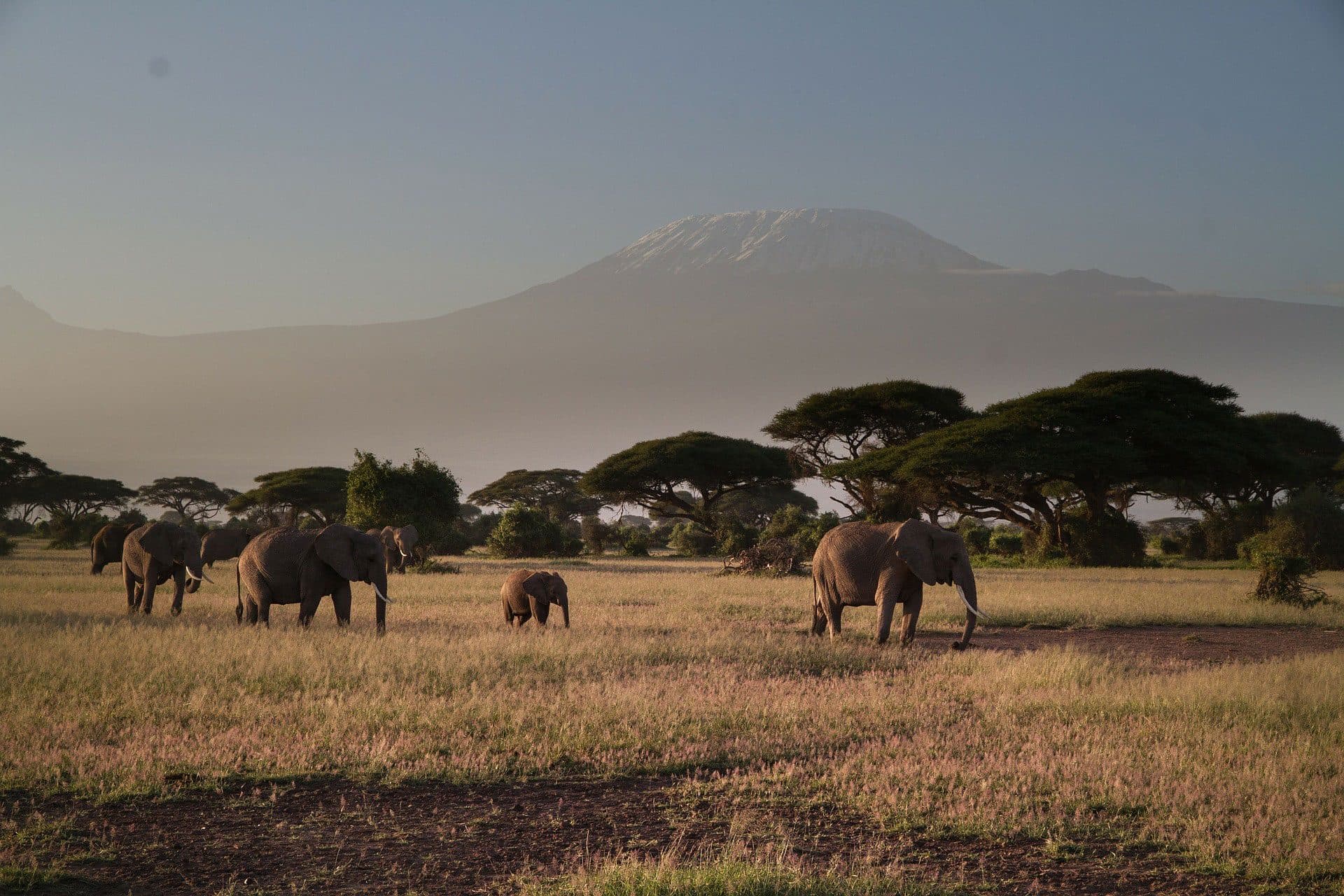
Our quiet favourite. Hot, dry and clear, with short grass, excellent big-cat viewing and noticeably fewer vehicles than the middle of the year. Amboseli is at its best for Kilimanjaro views, and photography across the board is superb.
The migration herds are in Tanzania at this point, so if they are your priority this is the wrong window for Kenya — though it is the right one for Ndutu, over the border.
March to May: the long rains
Heavy afternoon rain is likely, some tracks become difficult, and a few camps close. In exchange, rates fall sharply, the landscape is green and dramatic, birdlife peaks with migrants present, and many animals have young.
It is not the right window for a first safari with fixed expectations. It is a good one for repeat travellers, birders and anyone on a tight budget who is relaxed about weather.
June and November: the shoulders
June sits between the rains and the peak, with green landscapes, thinning crowds and rates still below high season. November brings the short rains — usually brief afternoon storms rather than all-day weather — with good value and quiet parks.
Both are genuinely underrated, and if your dates are flexible they offer most of the dry-season benefit at a fraction of the peak cost.
What does not change
Kenya sits on the equator at altitude, so temperatures are more stable than the seasons suggest. Days in the Mara are warm rather than hot, evenings at 1,500 metres and above are genuinely cool, and the Aberdares and Mount Kenya foothills are cold at night in any month. Pack layers regardless of when you travel.
Flamingo numbers at Lake Nakuru vary with the lake's chemistry rather than the season, and since water levels rose many birds have moved to Lake Bogoria and Lake Elementaita. Treat large flocks as a bonus in any month.