First safari · 9 min read
Planning your first safari
The decisions that actually matter, in the order they matter, from someone who books these for a living.
By the Citrus Tour Safaris team
Decide the month before anything else
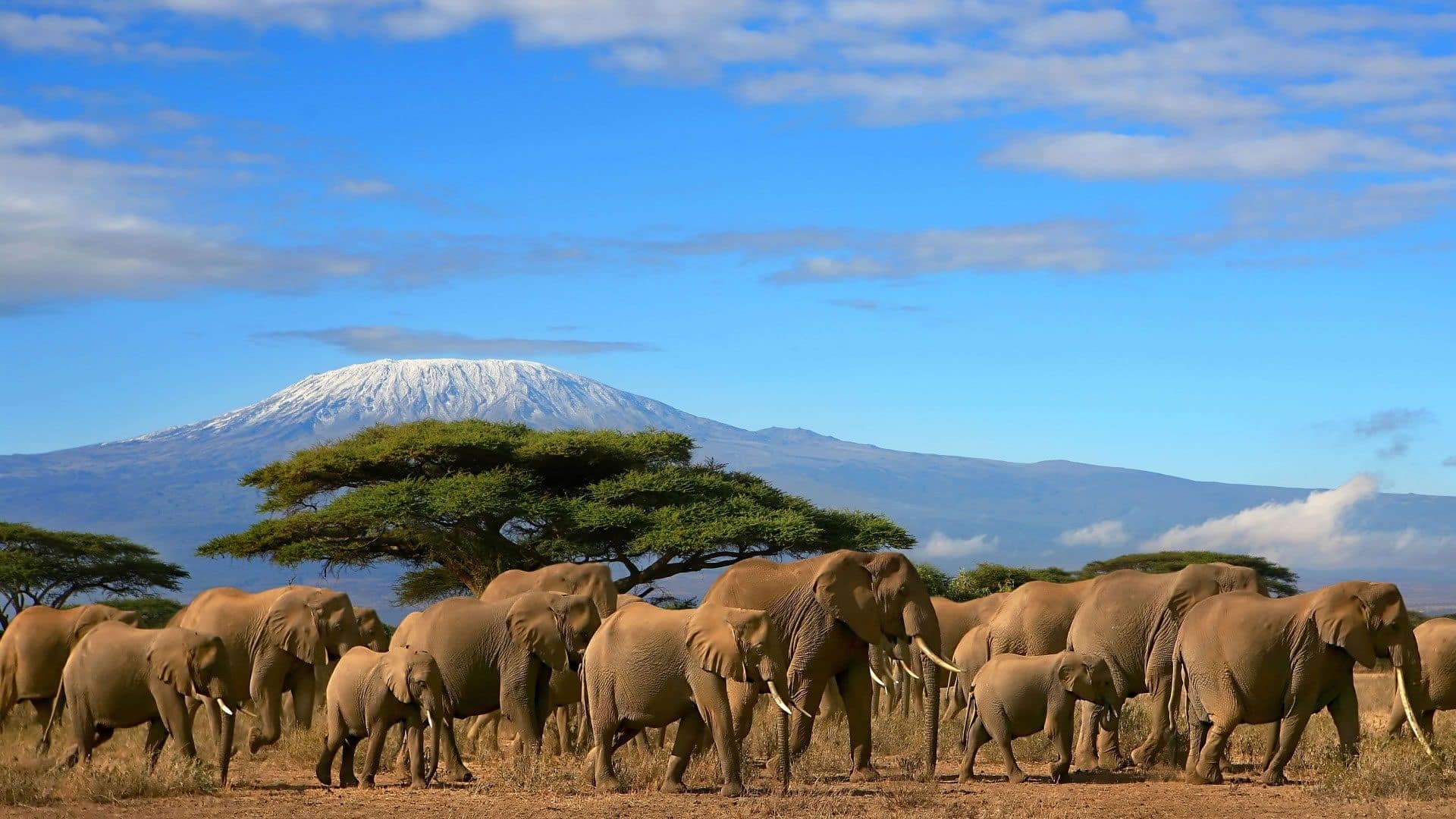
Almost every other decision follows from when you can travel. The month determines whether the migration is relevant, which part of the Serengeti you should sleep in, how likely you are to see Kilimanjaro from Amboseli, and what you will pay.
If your dates are fixed by work or school, say so at the outset. A good itinerary built around a constrained month beats a theoretically better one you cannot take.
Choose fewer places than you want to
The most common regret we hear is about pace, not about accommodation. Every extra destination costs a driving day. Two parks done properly will give you more than four parks glimpsed, and the sightings people remember come from having the time to wait.
A reasonable rule for a first trip: two nights minimum anywhere you drove a long way to reach, three nights in your principal reserve.
Be realistic about the standard you want
The game drives are identical across budget, mid-range and luxury. What changes is the bed, the bathroom, the food and, at the top end, the guiding and the exclusivity of the sighting.
If your budget is tight, cut the accommodation standard rather than the number of days. If you have more to spend, the highest-value upgrade is usually a private conservancy for part of the trip rather than a fancier lodge for all of it.
Understand what is not included
Park fees, vehicle, guide and accommodation are the core. International flights, visas, insurance, drinks and tips generally are not. Neither are the well-known optional extras: balloon safaris, boat trips on Lake Naivasha and the Kazinga Channel, cultural visits, night drives, and gorilla or chimpanzee permits.
Several of those optional extras are among the best things you will do. Ask for them to be priced into your quotation up front rather than discovering them at the lodge desk.
Practical things people wish they had known
Pack layers. Equatorial altitude means warm days and genuinely cold dawns, and game drives leave before sunrise. Neutral colours are conventional, and useful on any walking activity.
Bring binoculars, one pair per person. This is the single most under-rated item on a safari and it transforms the middle-distance sightings, which are most of them.
Dust is relentless, particularly in Amboseli and Tsavo. Bring protection for camera gear and a means of cleaning lenses.
Internal luggage limits on light aircraft are strict, typically fifteen kilograms in a soft bag. If your route includes flights, we will tell you the limit before you pack, not after.
Ask the awkward questions
Ask whether accommodation is confirmed or suggested. Ask what happens if a named property is unavailable. Ask whether optional activities are included. Ask how many people will be in your vehicle, and whether everyone gets a window seat.
Any operator worth booking with will answer those directly. Ours are answered on every package page in this catalogue, which is why accommodation here is labelled as suggested rather than presented as contracted.