Kenya
Kenya
The classic East African safari, from the Mara to the mountain
Kenya is where the safari as most people picture it took shape: open savannah under flat-topped acacias, big cats hunting in long grass, and rift valley lakes turning pink with flamingos. The country packs an unusual amount of variety into short driving distances. In a week you can move from the elephant herds of Amboseli beneath Mount Kilimanjaro, through the freshwater and soda lakes of the Great Rift Valley, and on to the Maasai Mara, where the southern plains join Tanzania's Serengeti and carry the same enormous herds. Nairobi makes an efficient starting point, with an international airport, a domestic air network reaching every major park, and good tarmac on most of the main safari routes.
Why visit Kenya
- The Maasai Mara delivers some of the highest big-cat densities in Africa, and between roughly July and October it hosts the northern end of the Great Migration.
- Short internal distances mean a five- or six-day trip can genuinely cover three contrasting ecosystems rather than one park seen twice.
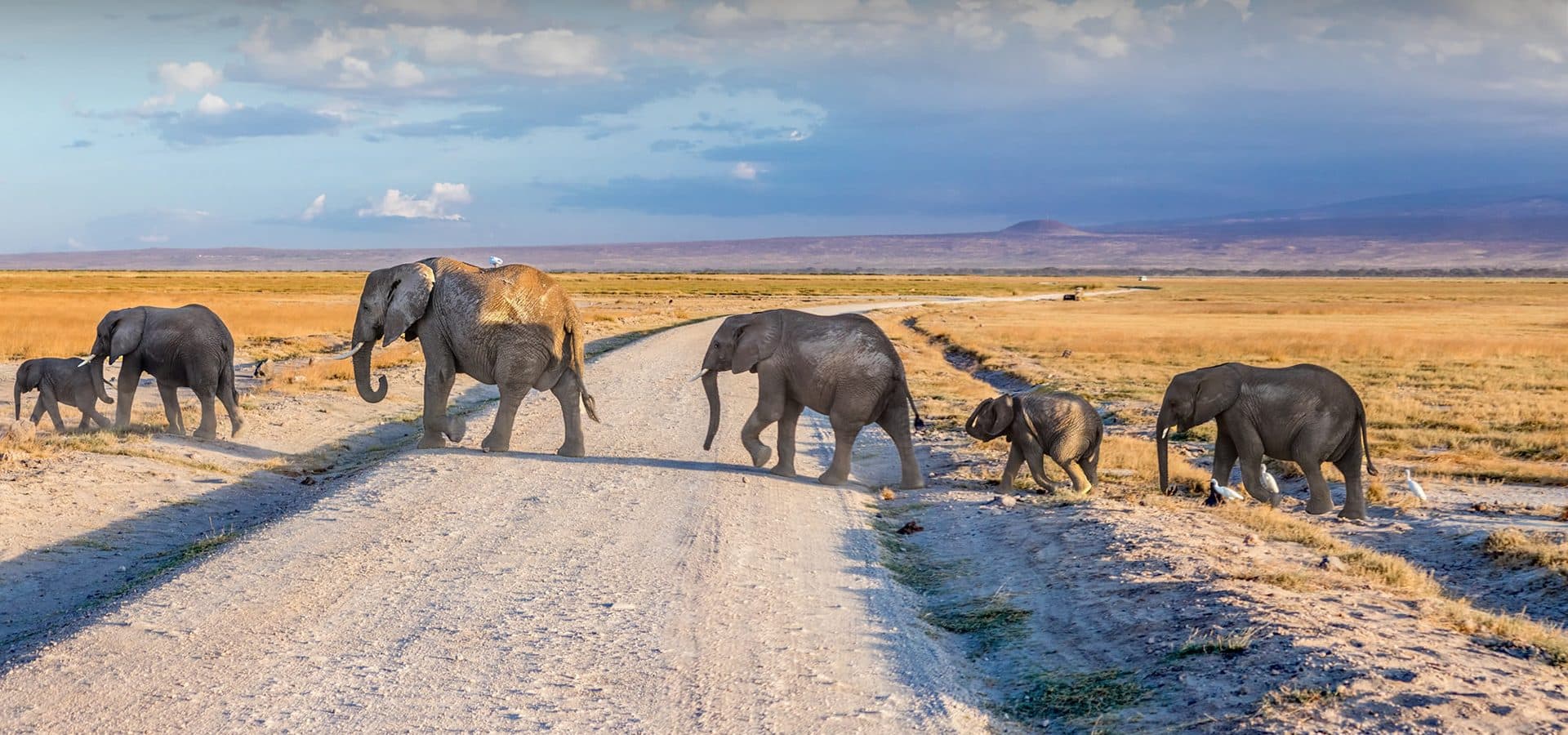
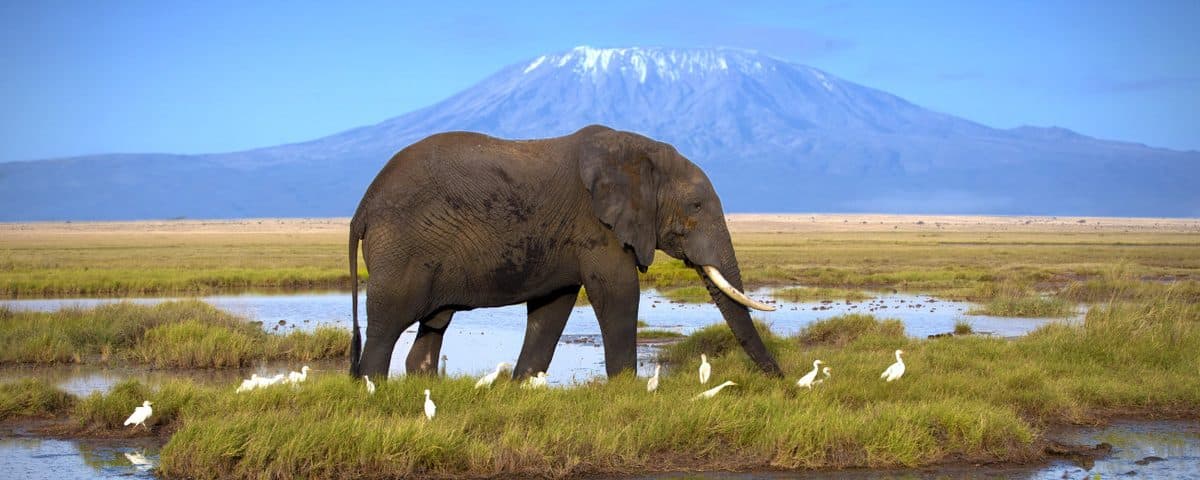
- Amboseli offers the most reliable combination anywhere of large elephant families and, when the cloud lifts, Mount Kilimanjaro on the horizon.
- Northern Kenya — Samburu, Ol Pejeta and the conservancies — holds species found almost nowhere else, including Grevy's zebra, reticulated giraffe and the beisa oryx.
Wildlife
Kenya holds all of the Big Five, though rhino are concentrated in protected sanctuaries such as Lake Nakuru and Ol Pejeta rather than spread across the country. Lion, leopard, cheetah, elephant and buffalo are widespread in the main reserves. The northern parks add a set of dry-country specials that do not occur in the south, while the Rift Valley lakes support very large concentrations of waterbirds.
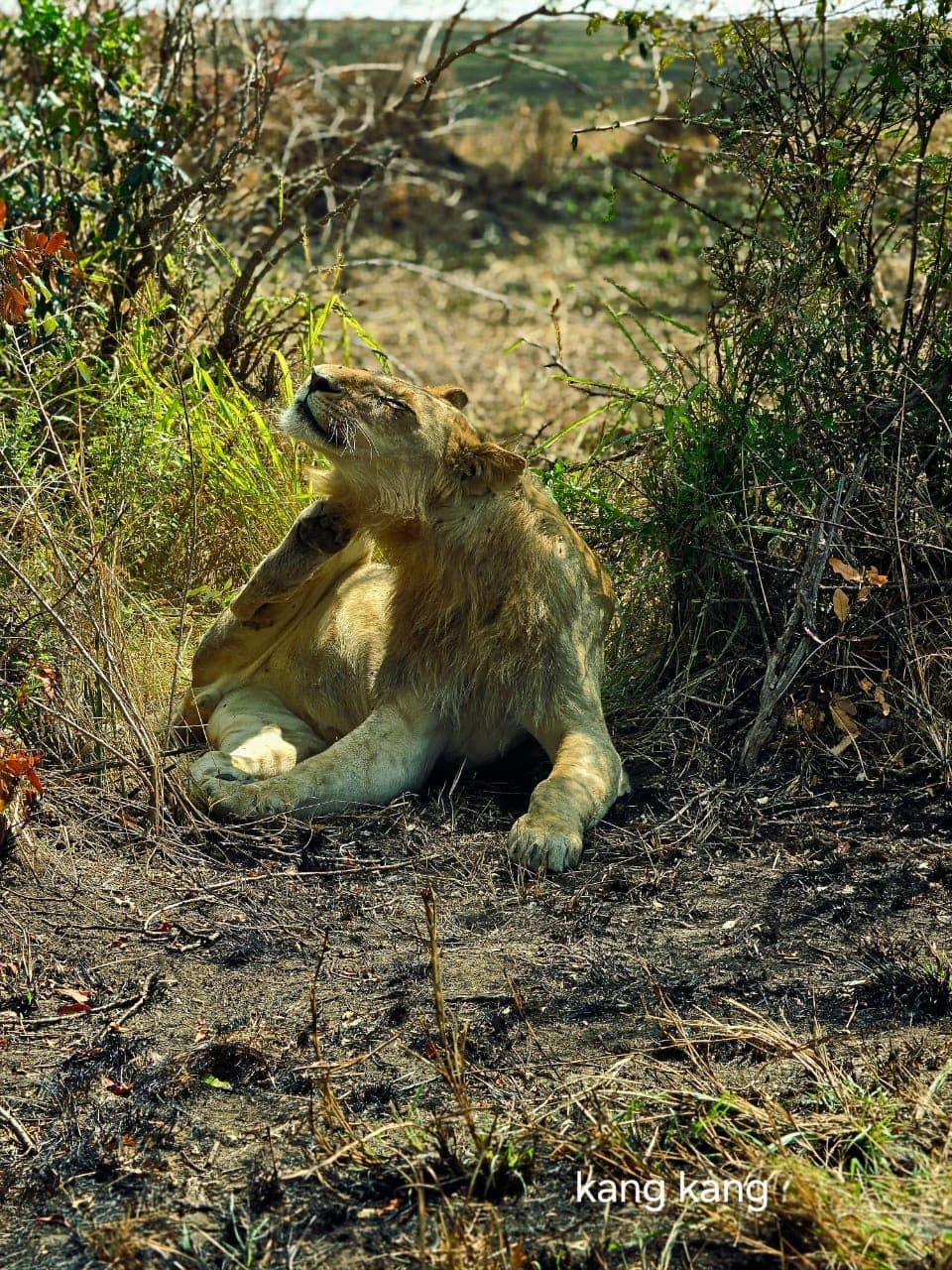
- Lion, leopard and cheetah, with the Mara among the best big-cat reserves in Africa
- Large, relaxed elephant families in Amboseli and Tsavo
- Black and white rhino in the fenced sanctuaries of Lake Nakuru and Ol Pejeta
- Grevy's zebra, reticulated giraffe, gerenuk, beisa oryx and Somali ostrich in Samburu
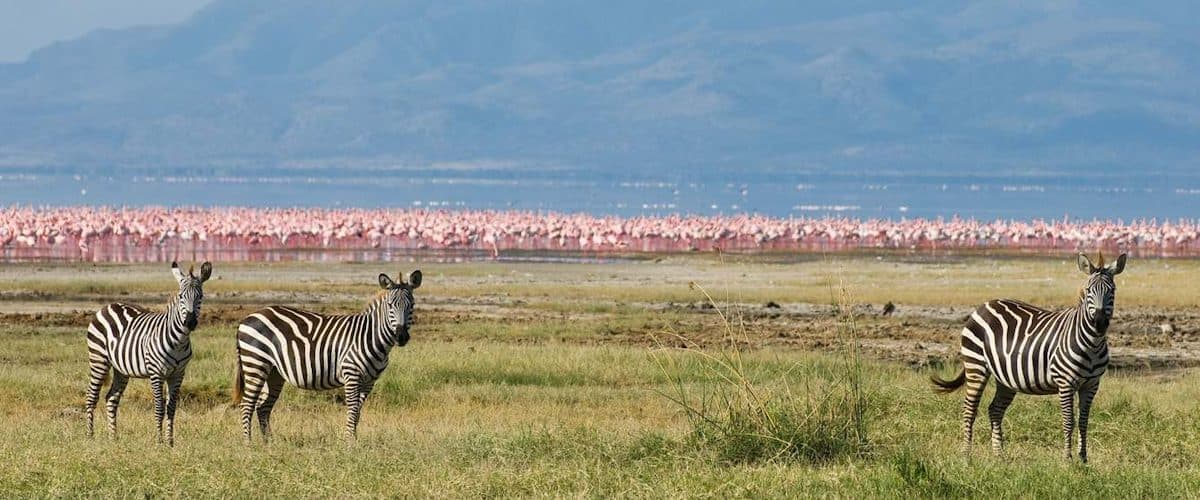
- Flamingo, pelican and more than 400 recorded bird species around the Rift Valley lakes
Best time to visit
Kenya is a year-round destination, but the drier months concentrate wildlife around water and make tracks easier. The long dry season from late June to October coincides with the migration's time in the Mara and is the busiest and most expensive period. January and February are hot, dry and excellent for photography with lower visitor numbers. The long rains fall roughly from late March into May, and the shorter rains around November; both bring green landscapes, newborn animals and much lower rates, with a real chance of afternoon downpours.
July–October and January–February are strongest; June and November offer good value shoulder-season travel.
Things to do
- Game drives
- Morning and late-afternoon drives in a safari vehicle with a pop-up roof are the core of every Kenyan itinerary.
- Rift Valley boat trips
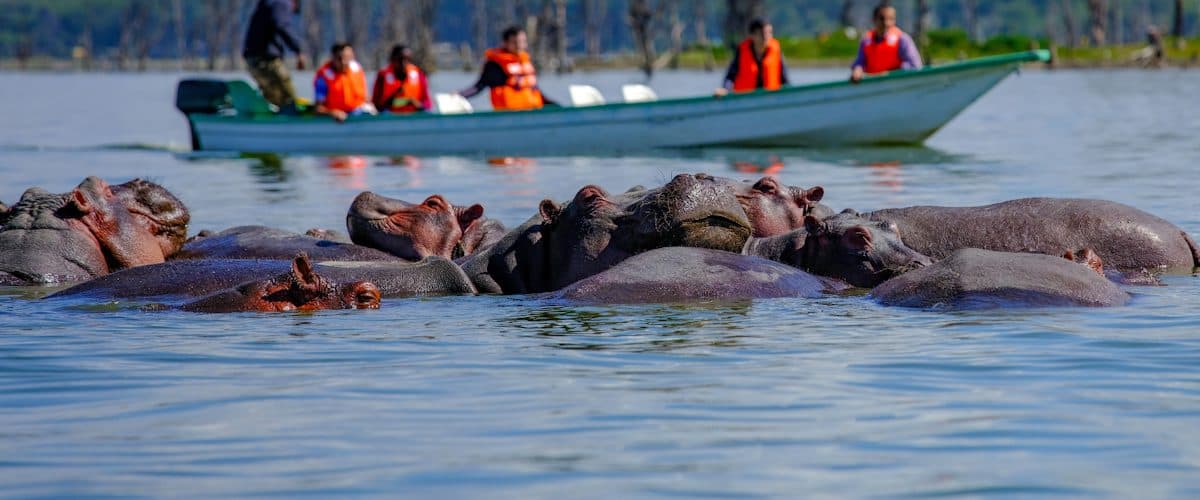
- Boat excursions on Lake Naivasha bring you close to hippo pods and an exceptional range of waterbirds.
- Balloon safaris
- Dawn balloon flights over the Mara are a well-established optional extra, booked and paid for separately.
- Cultural visits
- Maasai and Samburu community visits can be arranged where they are genuinely welcomed and fairly paid.
- Walking and conservancy activities
- Private conservancies permit guided walks, night drives and off-road tracking that national reserves do not.
How long to stay
Three days is the shortest trip that justifies the travel, and works best focused on a single reserve such as the Maasai Mara. Five to seven days allows a genuine circuit — typically the Mara plus one or two Rift Valley lakes, or Amboseli added to the Mara. Ten days or more opens up northern Kenya, Tsavo, or a cross-border extension into Tanzania.
What it combines with
Kenya pairs naturally with Tanzania's northern circuit, either overland via Namanga and Arusha or by air into the Serengeti. Kenya and Tanzania together is the most requested long East African itinerary in the Citrus catalogue. A coastal or Zanzibar extension adds beach time after the driving.
Inside Kenya
Parks and places
Maasai Mara
Big cats, open plains and the northern stage of the Great Migration
Lake Nakuru
A fenced rhino sanctuary around a Rift Valley soda lake
Lake Naivasha
Freshwater, hippo pods and the Rift Valley's gentlest day
Amboseli
Great elephant families beneath Mount Kilimanjaro
Tsavo West
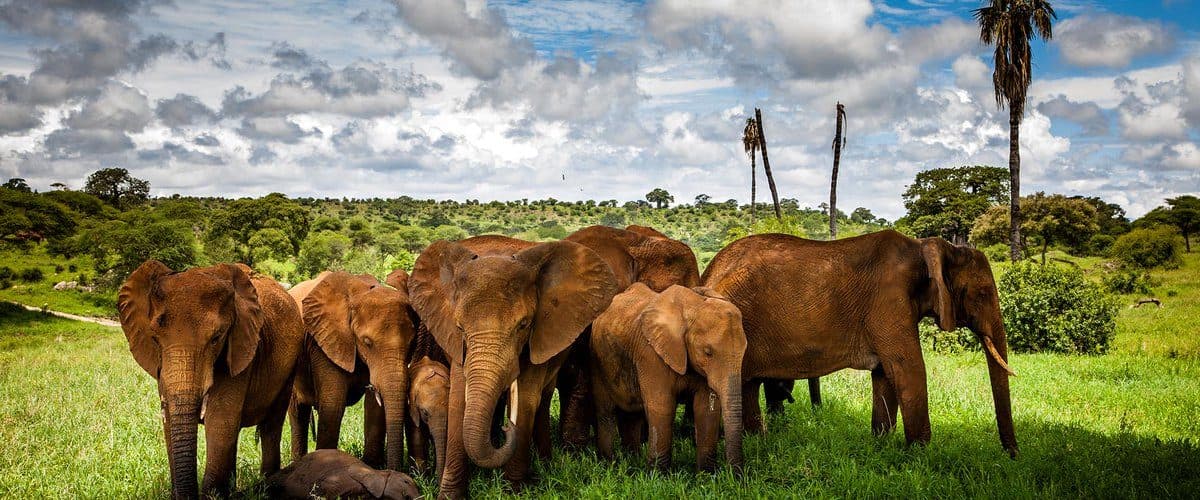
Volcanic hills, crystal springs and wild, rugged country
Tsavo East
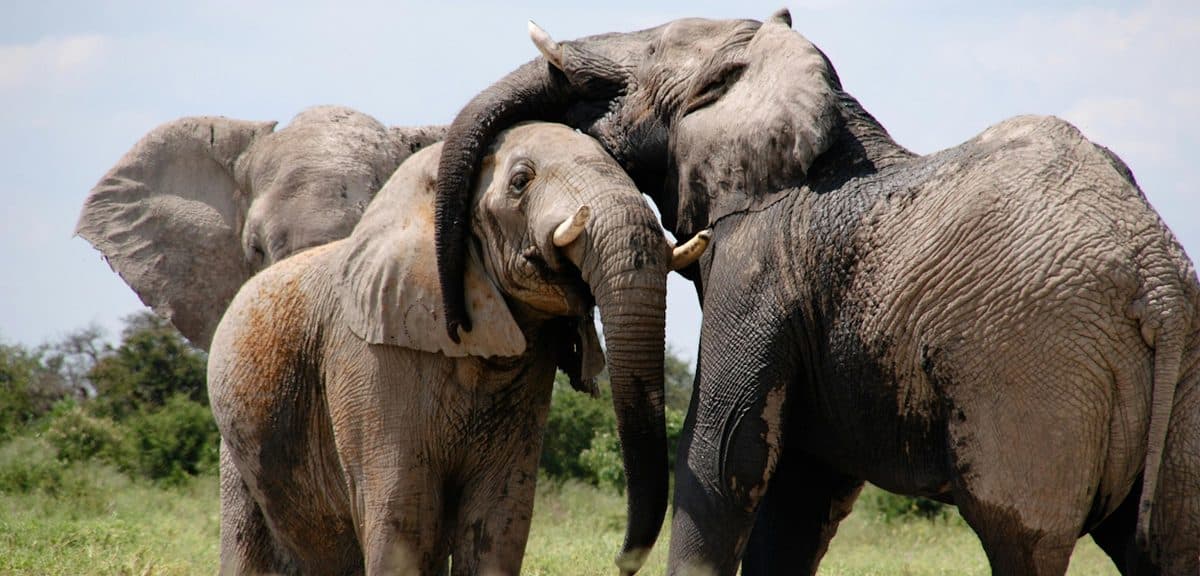
Red elephants on wide open plains
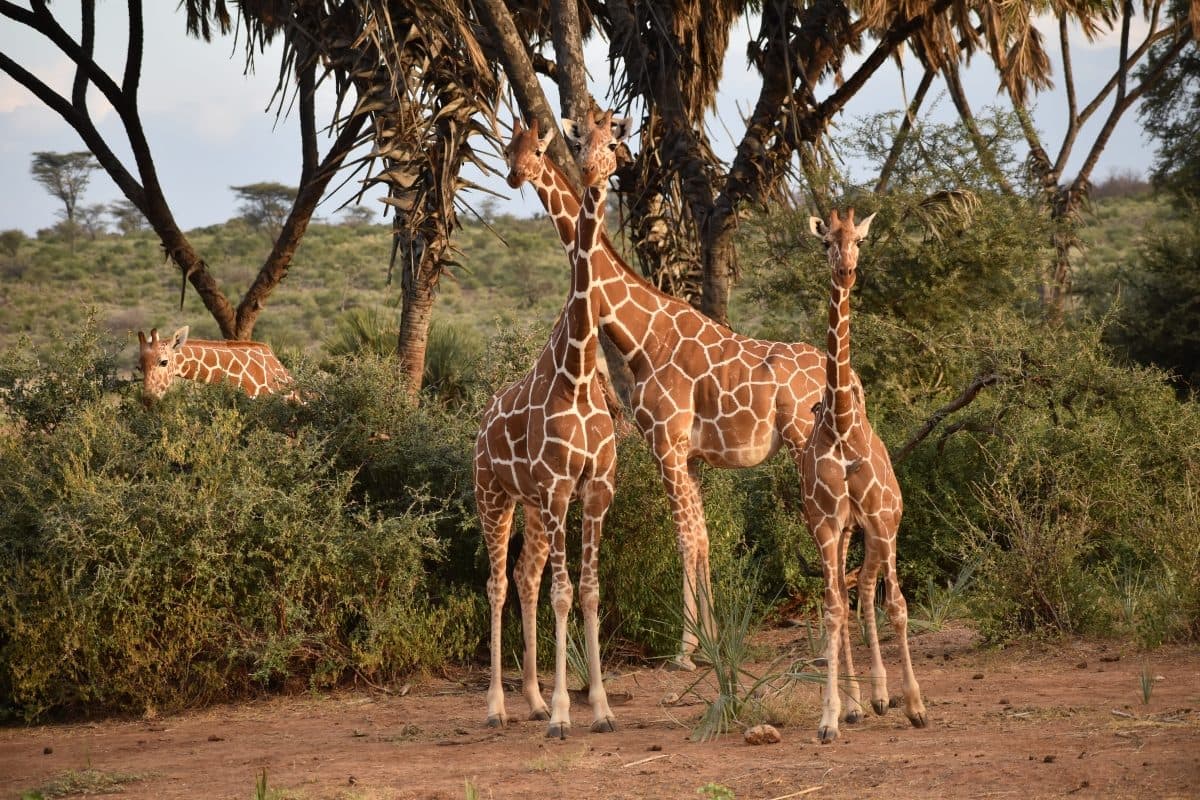
Samburu
Northern dry country and the Samburu Special Five
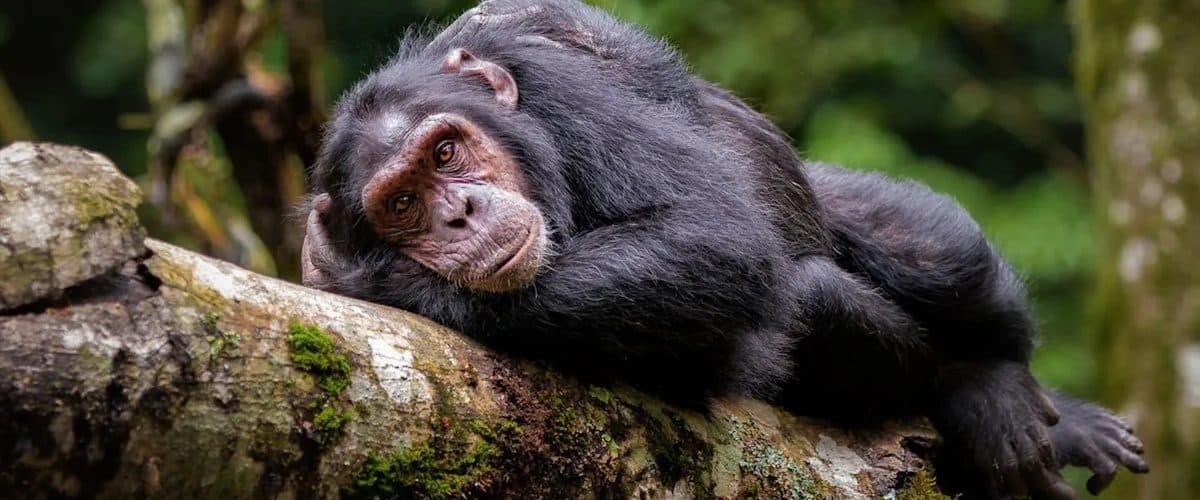
Ol Pejeta
East Africa's largest black rhino sanctuary, under Mount Kenya
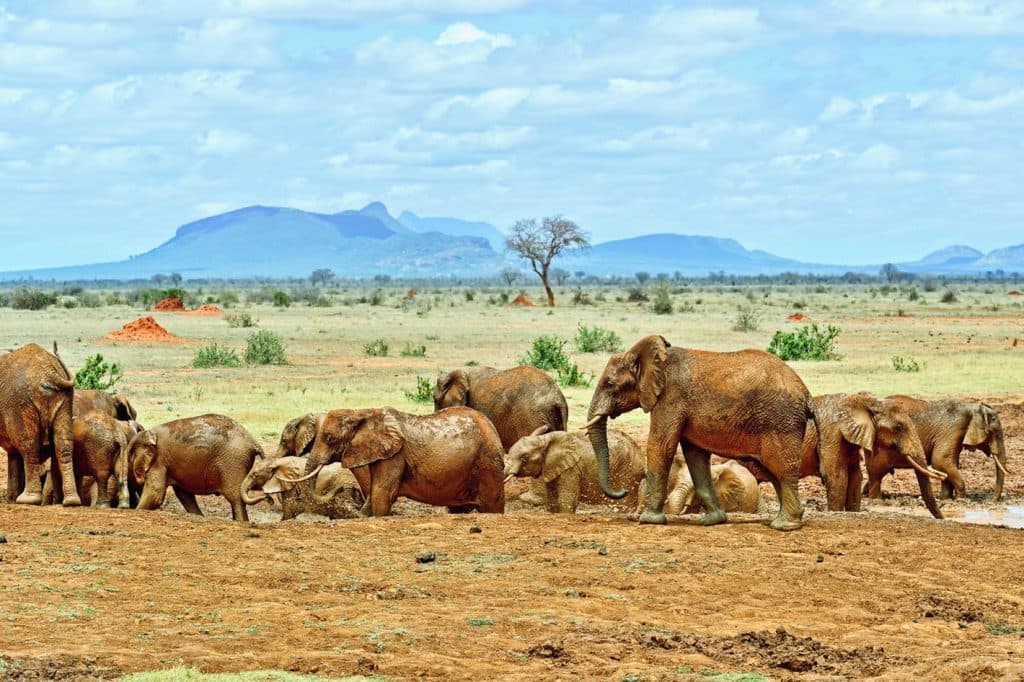
Aberdare
High montane forest, waterfalls and floodlit waterholes
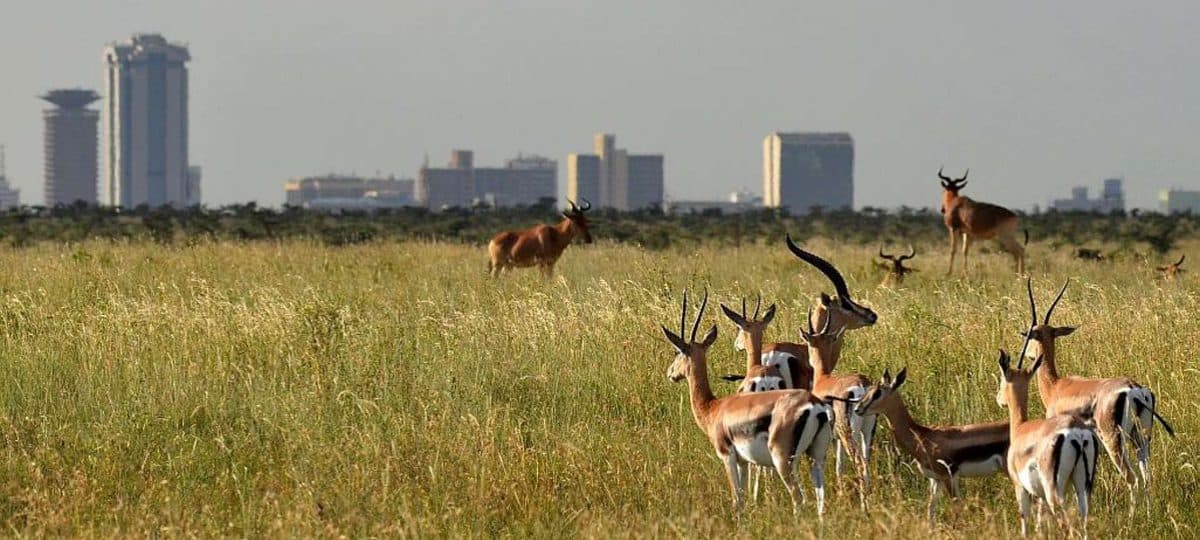
Nairobi
The East African gateway, and a national park on the city's edge
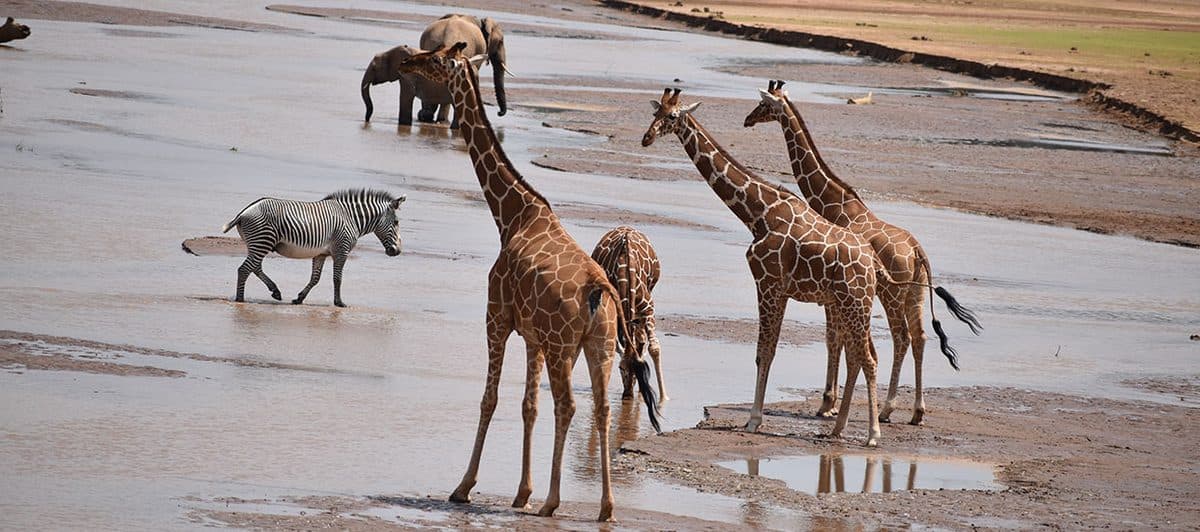
Sera Conservancy
Community-owned wilderness and East Africa's first black rhino tracking on foot
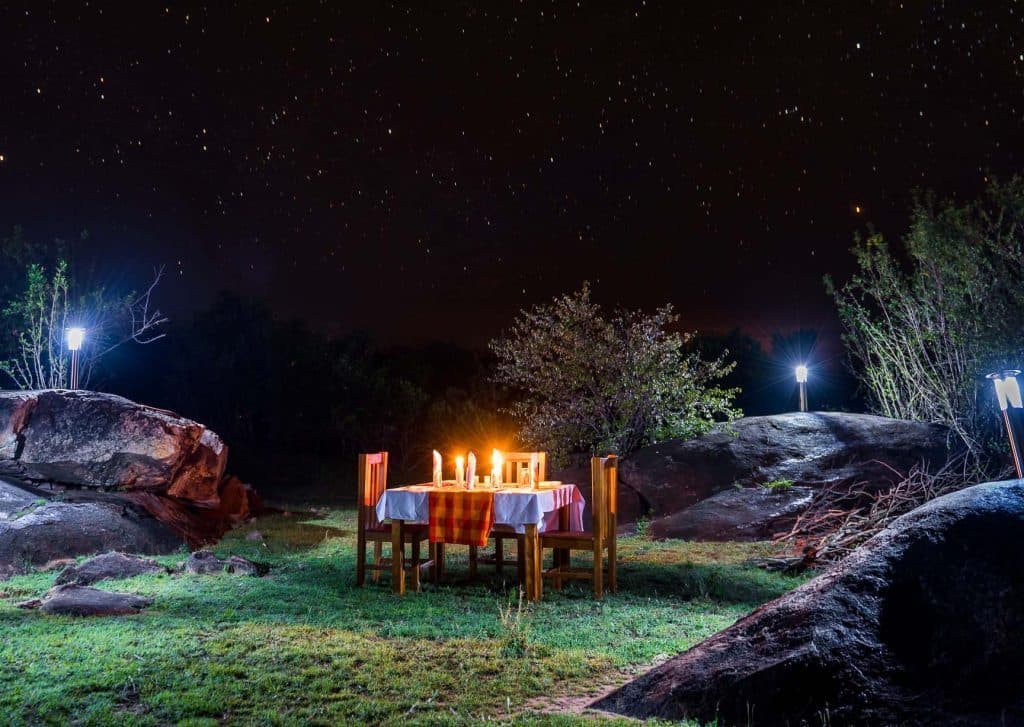
Greater Mara
Low-density private conservancies bordering the national reserve
Planning questions
Common questions about Kenya
How many days do I need in Kenya?
Five to seven days is the sweet spot for a first visit. It lets you combine the Maasai Mara with the Rift Valley lakes or Amboseli without spending most of the trip in the vehicle. Three days works if you commit to one reserve.
Is Kenya a good first safari?
It is one of the most straightforward places to start. The roads, guiding standards and range of accommodation are well developed, wildlife viewing is reliable across seasons, and the distances between the main reserves are manageable by road.
Do I have to travel in migration season?
No. The migration is a spectacular addition but the Mara's resident lion, leopard, cheetah, elephant and buffalo are there all year. Travelling outside July to October usually means fewer vehicles and noticeably better rates.
Read more
Guides that cover this destination
Planning guide
Kenya or Tanzania: how to choose
They share an ecosystem and a border, and the wildlife is largely the same. The differences that actually matter are cost, distance, crowding and what you want a day to feel like.
ReadSeasonal guide
Best time to visit Kenya
Kenya works year-round. The choice is really between dry-season concentration and crowds, or green-season value and a chance of rain.
ReadFirst safari
Planning your first safari
The decisions that actually matter, in the order they matter, from someone who books these for a living.
Read