Seasonal guide · 5 min read
Best time to visit Uganda
Uganda sits on the equator and rain is possible in any month. What the drier seasons really buy you is a less punishing walk through the forest.
By the Citrus Tour Safaris team
June to August and December to February
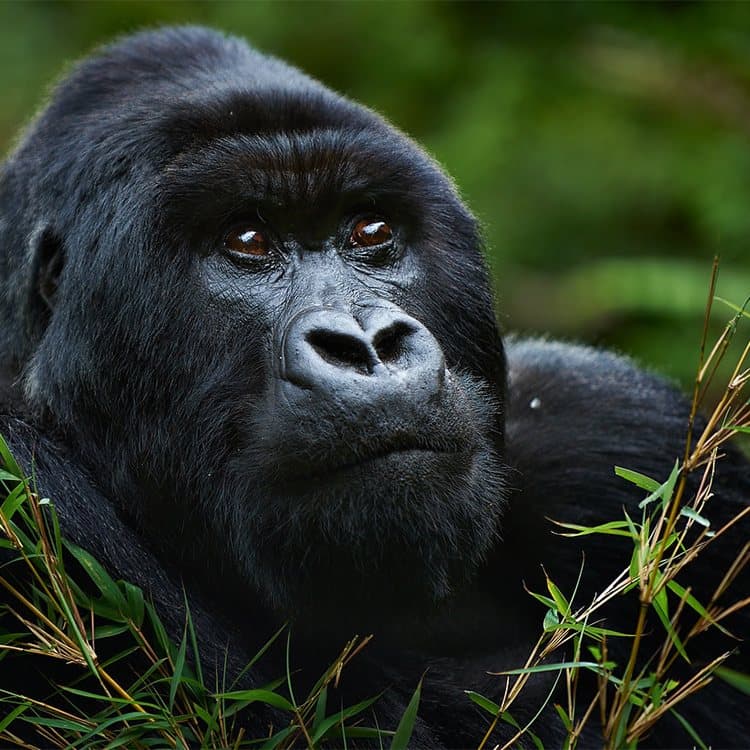
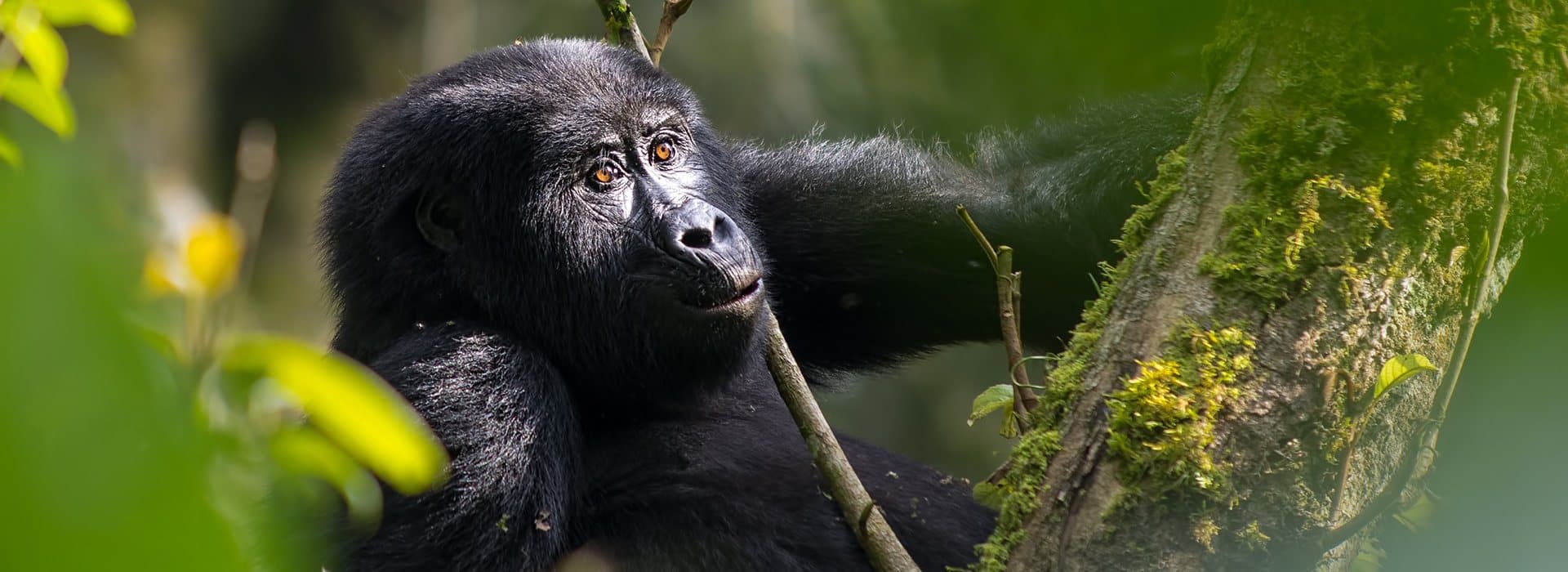
These are the drier windows, and they are the ones to aim for. The advantage is not that it will be dry — it is rainforest, and it rains — but that the forest trails are less slippery, the roads hold up better, and a five-hour gorilla trek through Bwindi is considerably less gruelling underfoot.
These months are also when permits are hardest to secure, so book as far ahead as you reasonably can.
March to May and September to November
The wetter periods bring heavier rain, muddier trails and more difficult driving on the long transfers between parks. Rates fall and the parks are quieter, and gorilla trekking continues year-round regardless.
If you are fit, properly equipped and relaxed about mud, the value in these months is real. If you are anxious about the physical demands of the trek, travel in a drier window.
Permits matter more than weather
Gorilla and chimpanzee permits are limited and tied to travel dates. Availability often constrains Uganda itineraries, and current terms should be confirmed before purchase.
Our advice is to secure the permit dates first and build the rest of the route around them, rather than choosing travel dates and hoping permits exist.
What to bring whatever the month
Waterproofs that actually work, gaiters, and boots with real grip — the forest floor is steep and slick even in the drier months. Warm layers for the evenings, because Bwindi and Lake Bunyonyi sit high enough to be genuinely cold after dark. And a porter, hired at the trailhead, which helps you and puts money directly into the surrounding community.