Skip to content
Citrus Tour Safaris
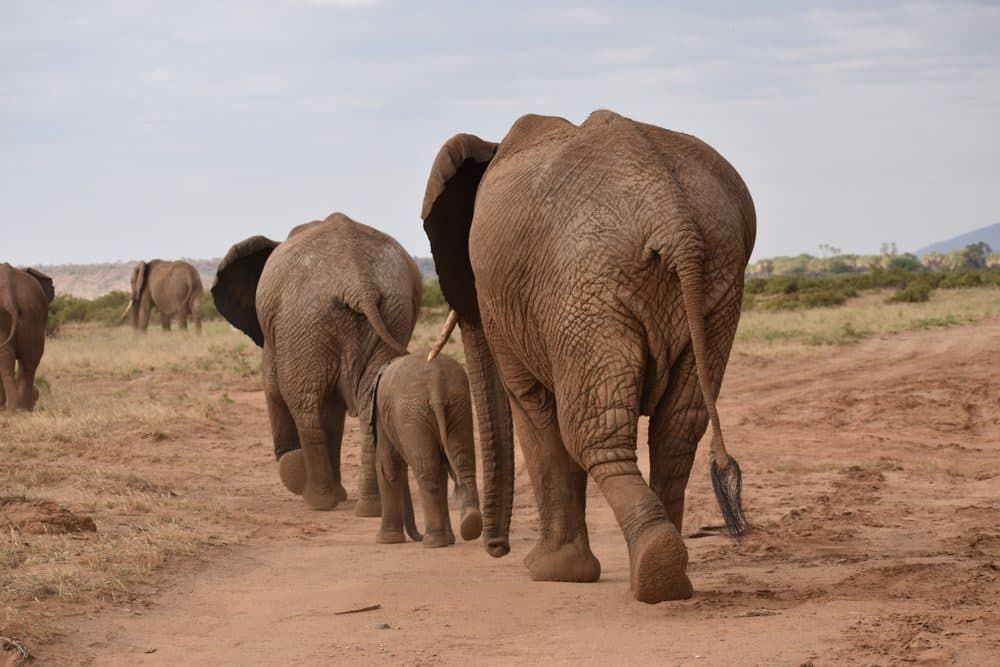
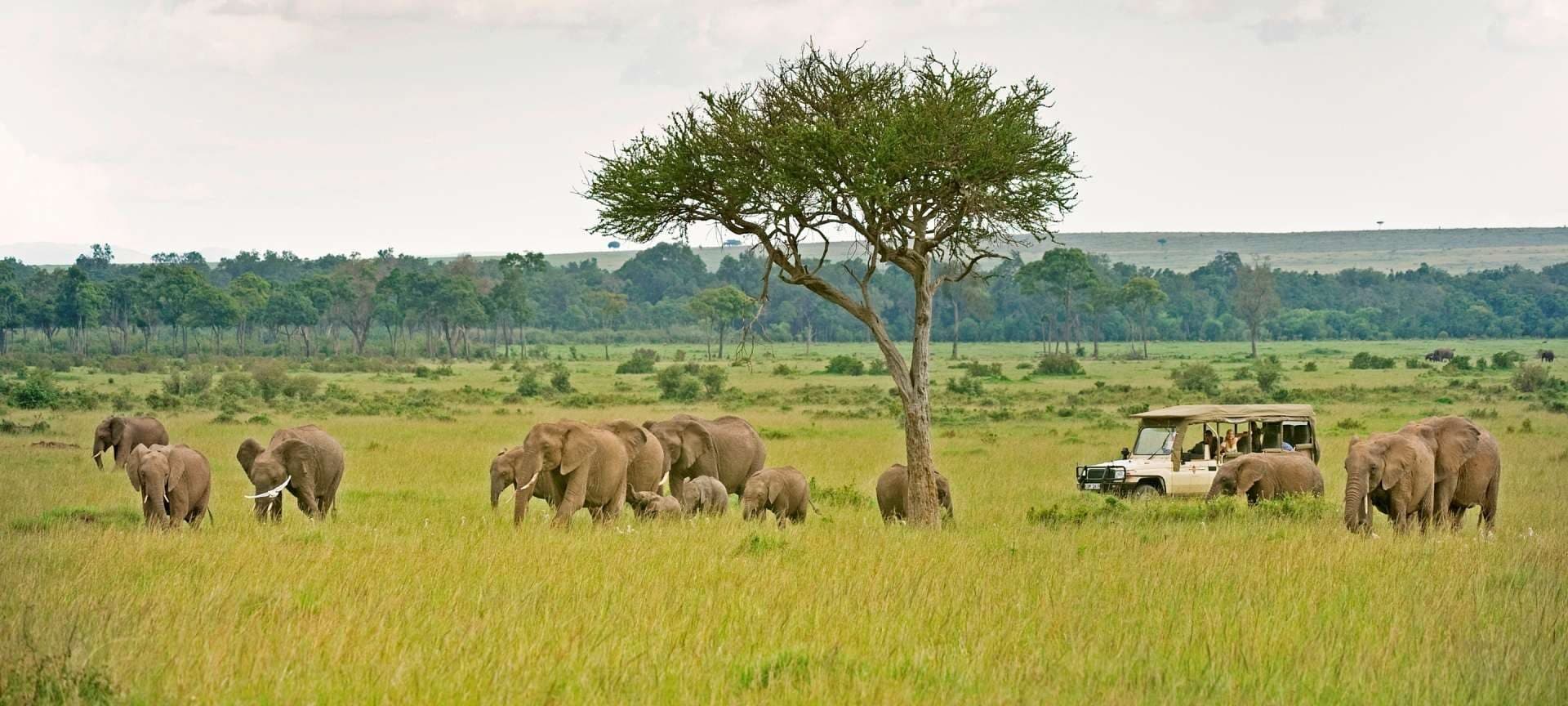
An elephant herd moving across open savannah
Mid-range7 days · 6 nightsKenya Top 10 research pick

7 Days Samburu, Ol Pejeta, Lake Nakuru & Maasai Mara — Mid-range

Samburu, Ol Pejeta and Lake Nakuru in 7 days, using the comfortable, well-positioned lodges most travellers choose. 6 nights on safari, priced on request.

Samburu - Ol Pejeta - Lake Nakuru - Maasai Mara

About this safari

The route opens in Samburu — northern dry country and the Samburu Special Five — and works through 3 further destinations over 7 days. It stays within Kenya; the final proposal will confirm transfer times and the balance between travel and game viewing. Accommodation is at the mid-range standard: comfortable tented camps and established safari lodges. The balance most travellers settle on — proper beds, en-suite bathrooms and well-run lodges in good positions, without the premium that the top end of the market commands. Like every safari in this catalogue, it is priced on request rather than sold at a published rate, because park fees, permits, group size and contracted accommodation all change the figure.

Highlights

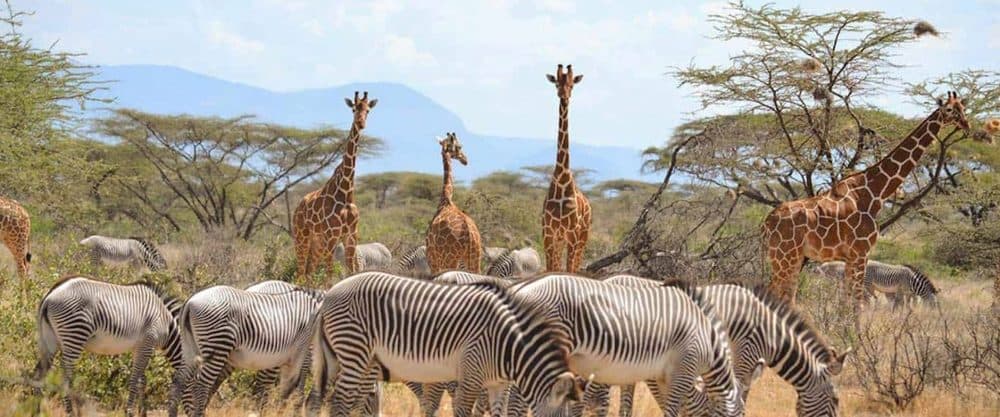
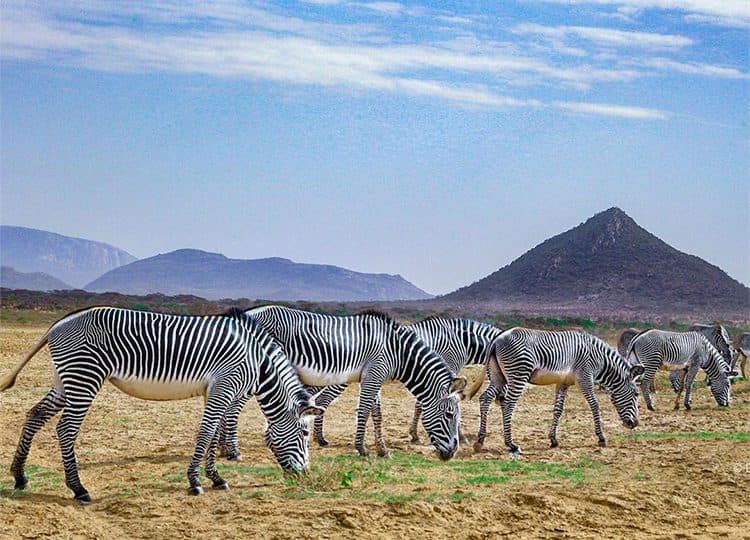
  • Samburu: the Samburu Special Five — Grevy's zebra, reticulated giraffe, gerenuk, beisa oryx and Somali ostrich — none of which occur in the southern parks.
  • Ol Pejeta: the largest black rhino sanctuary in East Africa, with white rhino also present in good numbers.
  • Lake Nakuru: one of the most reliable places in Kenya to see white rhino, with black rhino also present in good numbers.
  • Maasai Mara: exceptional predator density, with large lion prides, resident leopard along the river courses and cheetah on the open grassland.

Day by day

Your 7-day itinerary

Written out in full before you book, so you can see exactly how the days are paced and where each night is spent.

  1. Day 1

    Nairobi to Samburu

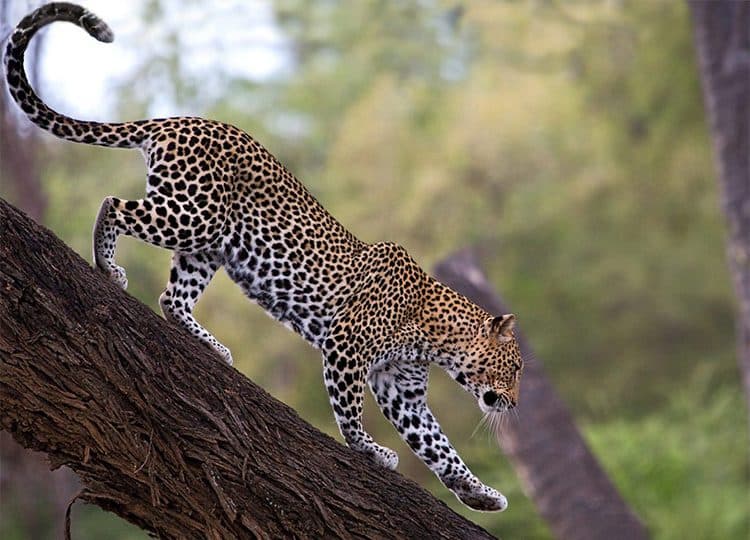
    The route is drafted from Nairobi. Citrus will set out the actual meeting arrangements and first transfer in writing. Heading north, the highlands fall behind and the country opens into rocky, sun-bleached bush broken by kopjes and dry riverbeds. Samburu is a different Kenya: hotter, emptier and holding a set of species that simply do not occur in the south. The first reticulated giraffe standing among the thorn trees usually makes that clear before you reach the gate. The reserve has a strong reputation for leopard, and the riverine forest is where to look — early morning and late afternoon, working slowly along the bank and watching the branches. Lion and cheetah are present on the open ground beyond, and crocodile lie out on the sandbars. Between sightings the landscape itself holds attention: red rock, palms, and blue hills stacked on the horizon. A mid-range camp or lodge is proposed for this night, subject to availability and written confirmation.

    Overnight: Samburu

    Beisa oryx and other dry-country species of northern Kenya
  2. Day 2

    A full day in Samburu

    Samburu's draw is the set of dry-country species known locally as the Special Five, none of which occur in the southern parks: Grevy's zebra with its narrow stripes and rounded ears, reticulated giraffe with sharply defined chestnut markings, the long-necked gerenuk that browses standing upright on its hind legs, the beisa oryx, and the blue-legged Somali ostrich. Finding all five in a stay is a genuine and achievable ambition. The reserve has a strong reputation for leopard, and the riverine forest is where to look — early morning and late afternoon, working slowly along the bank and watching the branches. Lion and cheetah are present on the open ground beyond, and crocodile lie out on the sandbars. Between sightings the landscape itself holds attention: red rock, palms, and blue hills stacked on the horizon. This outline assumes a comfortable safari stay near the route. The named property remains a suggestion until quoted.

    Overnight: Samburu

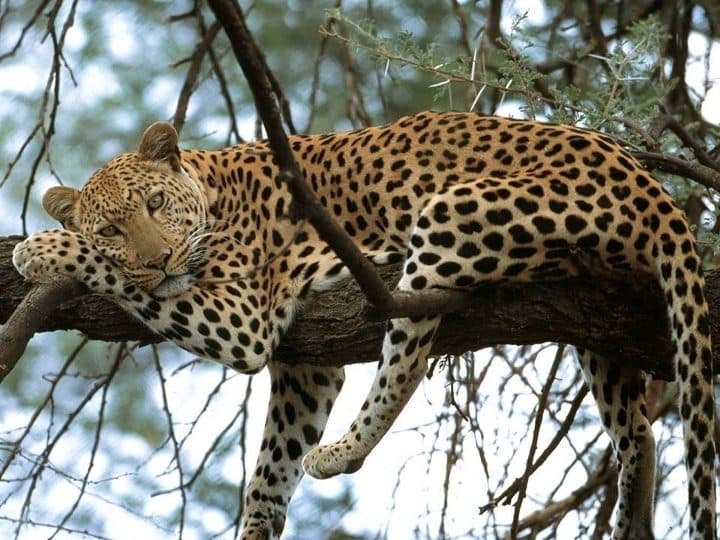
    A leopard stretched along a thick tree branch
  3. Day 3

    Samburu to Ol Pejeta

    The next section of the circuit moves on, leaving the dry north behind, the country climbs and greens as you reach the Laikipia plateau. Ol Pejeta occupies a broad stretch of it, and the first impression is of space and order: open grassland, rhino grazing in the middle distance, and the peaks of Mount Kenya catching the light on the eastern horizon. Because this is private land rather than a national park, the conservancy can offer what reserves cannot: guided walks with an armed ranger, night drives with a spotlight for aardvark, porcupine and hunting predators, and lion tracking alongside the research team. These activities change the character of a stay entirely and are usually arranged as separate paid extras. The suggested standard is mid-range. Citrus will confirm the property and contracted services in writing before booking.

    Overnight: Ol Pejeta

    Rhinos grazing on the open Laikipia grassland of the Ol Pejeta Conservancy
  4. Day 4

    Ol Pejeta to Lake Nakuru

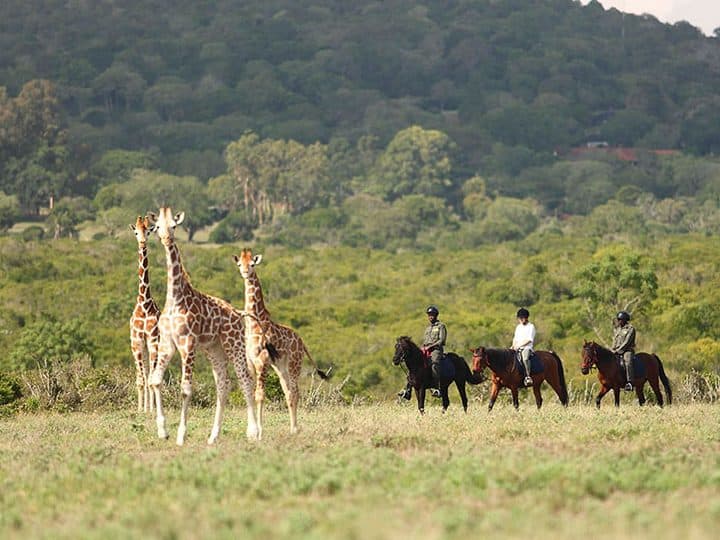
    The route then continues onward, today's drive brings you down into the Rift Valley proper, with the escarpment falling away to the east and the chain of soda lakes strung out along the valley floor. Lake Nakuru is the one enclosed entirely by a national park, and that fence is precisely why it matters: it has made the lake one of Kenya's most important refuges for both black and white rhino. Nakuru is small enough to cover thoroughly, and that is its advantage. The lakeside circuit is where white rhino graze the open flats, usually in loose groups and often close to the track. Black rhino are browsers and stay in thicker cover, so seeing them takes more luck. Rothschild's giraffe — distinguishable by their clean white lower legs — were introduced here and are now easy to find among the acacias. The catalogue suggests a comfortable mid-range stay here. The exact lodge, room basis and meals are confirmed in the quotation.

    Overnight: Lake Nakuru

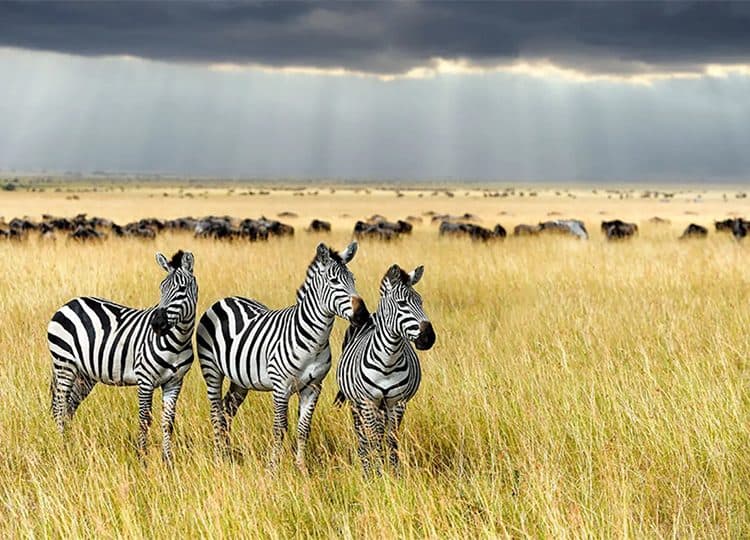
    Zebras grazing on open grassland
  5. Day 5

    Lake Nakuru to Maasai Mara

    This travel day carries the route onward, the road west out of Nairobi climbs the shoulder of the Rift Valley before dropping through Narok and onto the open country beyond, where cultivation gives way to grassland and the horizon widens. The last stretch is rougher going, but it is also where the safari properly begins — giraffe browsing beside the track, zebra scattering ahead of the vehicle, and the first raptors riding the thermals above the escarpment. Beyond the big cats, the reserve holds an extraordinary supporting cast. Bat-eared fox and black-backed jackal work the short grass, secretary birds stalk through it hunting snakes, and ground hornbill move in slow procession. Your guide will stop for these as readily as for lion, and they are often what people remember once the trip is over. A mid-range camp or lodge is proposed for this night, subject to availability and written confirmation.

    Overnight: Maasai Mara

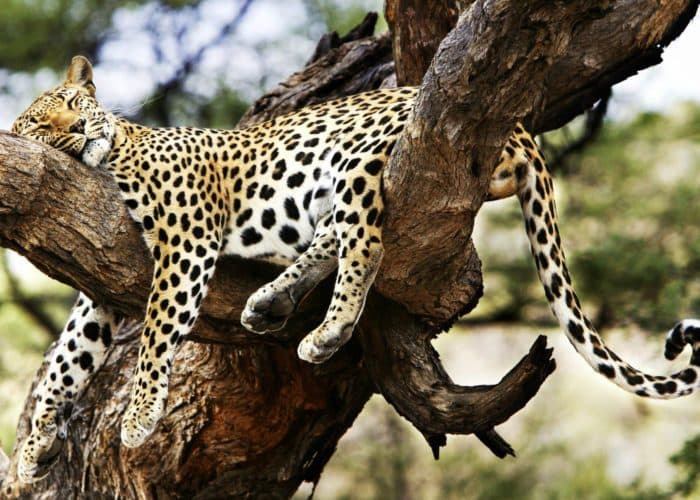
    A leopard stretched along a thick tree branch
  6. Day 6

    A full day in Maasai Mara

    The Mara's density is what makes it remarkable — sightings come quickly, and the day tends to build rather than drag. Expect long stretches of plains game: zebra, topi, Thomson's gazelle, eland and Maasai giraffe, with buffalo herds grazing in the bottomlands. Overhead, vultures circling low is always worth following, and the sudden stillness of a grazing herd usually means a predator is somewhere in the grass. A full day here usually divides itself naturally. The first hours go to the predators, tracking the prides your guide knows by territory and following whatever the night has left behind. Through the middle of the day the vehicle heads for shade near the river, where hippo crowd the deeper pools and crocodile lie out on the banks. The last light brings the plains alive again, with hunting cats moving and dust rising gold behind the herds. This outline assumes a comfortable safari stay near the route. The named property remains a suggestion until quoted.

    Overnight: Maasai Mara

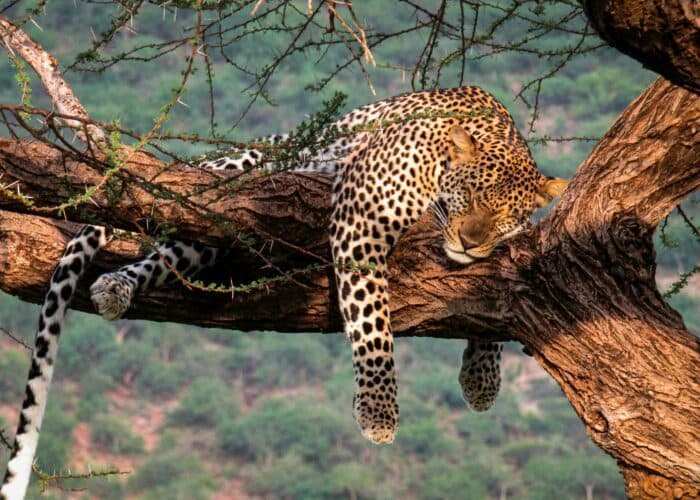
    A leopard stretched along a thick tree branch
  7. Day 7

    Maasai Mara to Nairobi

    The final day's exact pace depends on the confirmed transfer and onward travel arrangements. A final crossing of the plains takes you out past the herds one more time before the ground begins to rise. The grassland thins into grazing land, the Maasai cattle reappear along the verges, and the Mara ecosystem is gradually left behind as the road climbs back towards the Rift Valley escarpment. Nairobi is the working end point, with the final transfer stated in the written proposal.

    Safari ends

    A leopard stretched along a thick tree branch

Where you stay

Suggested accommodation

Accommodation below is the suggested standard for this package, taken from the Citrus catalogue. Where an entry describes a standard rather than a named property, we confirm the exact camp or lodge with your quotation. Named properties are suggestions and are substituted with comparable alternatives if they are unavailable for your dates.

Source catalogue listing

Samburu Sopa + Sweetwaters Serena + Sarova Lion Hill + Masai Mara Sopa/Zebra Plains

This is reproduced exactly from the catalogue. The written quotation will allocate nights and confirm each available property before booking.

Typical safari arrangements may include

These are planning examples, not confirmed inclusions for this package. Your written quotation will confirm exactly what is included.

  • A private or shared safari vehicle may be proposed, depending on the route and quotation
  • Guiding, transfers and game drives may be included where they are itemised in the written quotation
  • Park, reserve and permit costs may be included or quoted separately; the quotation will say which
  • Accommodation may be quoted at the suggested standard or at an agreed alternative
  • Meals, drinking water and taxes vary by supplier and will be itemised or described in the quotation

Costs that may be separate

The quotation will identify every separate cost before you confirm.

  • International or domestic flights and airport charges may be separate
  • Visas, travel insurance and health requirements are normally the traveller's responsibility
  • Gorilla and chimpanzee permits may be included or billed separately
  • Optional activities, drinks, tips, laundry and personal purchases may be separate
  • Any cost not addressed by the draft itinerary should be checked before the booking is confirmed
  • Optional extras on this route: sanctuary visits, night drives, guided walks or specialist conservation activities; balloon safari and Maasai community visits

Important notes

  • Accommodation shown is suggested rather than contracted. The exact property is confirmed in your written quotation and may change with availability.
  • Wildlife sightings, migration movements, river crossings and clear mountain views depend on season, weather and chance and cannot be guaranteed.
  • Activities described as optional are excluded unless the written quotation expressly includes them.
  • The day-by-day text is a planning outline derived from the catalogue route. Your quotation will confirm exact transfers, activities, meals, permits and accommodation.

Before you ask

Planning questions for this route

What does price on request mean for this safari?

The catalogue sets the route and travel standard, but it does not publish a fixed price or a contracted inclusion list. Citrus will prepare a written quotation for your dates, party and rooming, showing the exact transfers, activities, accommodation, meals, fees and permits before you confirm.

Is the listed accommodation guaranteed?

No. It is suggested accommodation from the source catalogue. Availability and any proposed alternative are confirmed in the written quotation before a booking is made.

Ready when you are

Let’s shape this safari around you

Tell us your dates and who is travelling, and we will come back with availability, honest advice on timing and a written quotation for this route.

WhatsApp
WhatsApp